Seeing rust on your brake rotors can be alarming. You look through the wheel spokes and notice orange-brown patches, or you hear a scrape the first time you brake in the morning. It’s natural to wonder if the car is safe to drive or if the brakes are about to fail.
The honest answer is that some rotor rust is normal, and some rust is a real problem. The difference comes down to how deep it is, how long it has been there, and whether it’s changing how the brakes feel and stop.
Why Brake Rotors Rust So Easily
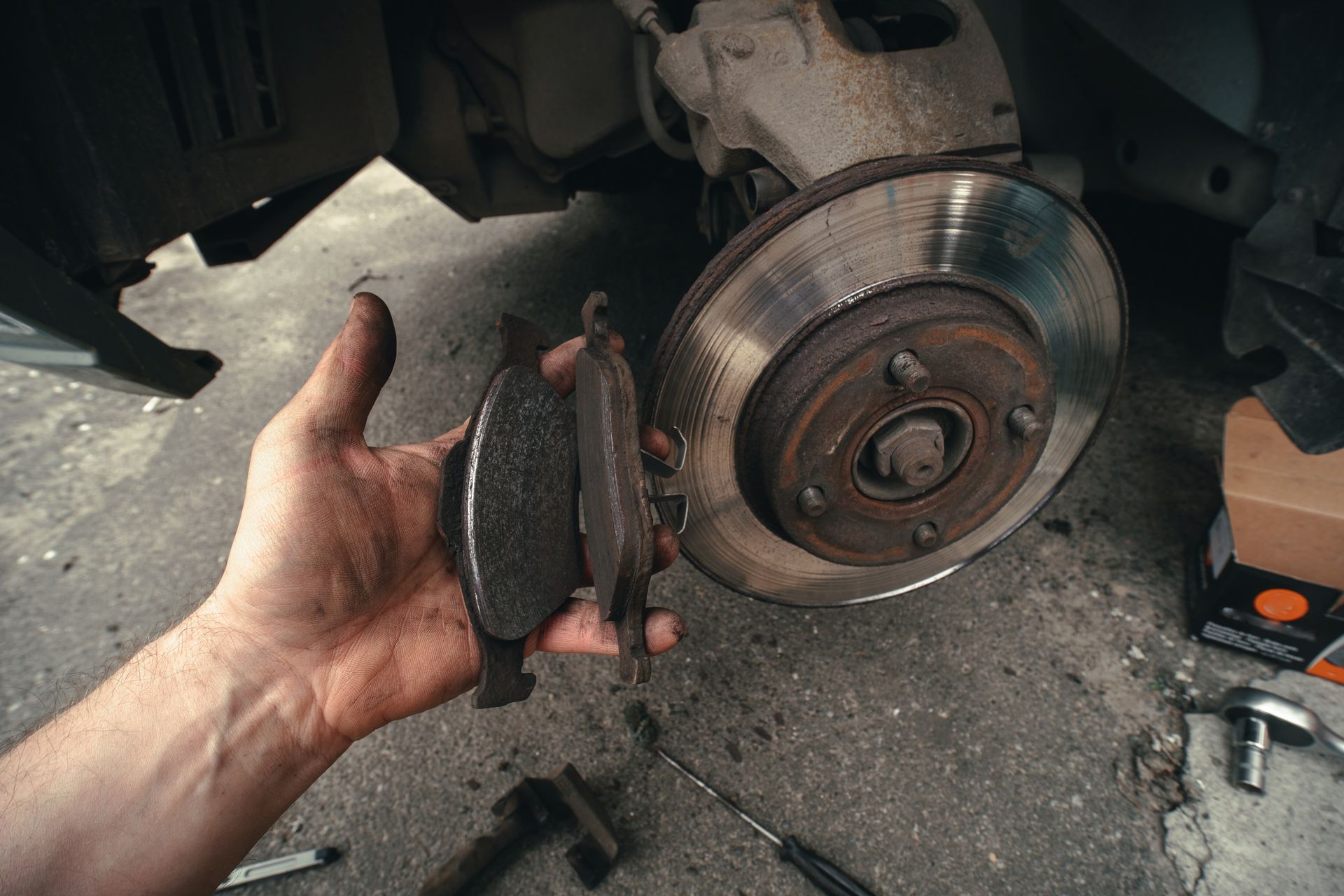
Brake rotors are bare metal on purpose. The pads need direct contact with the rotor surface to create friction and slow the vehicle. Since that surface is not painted, it starts to oxidize as soon as moisture and air come into contact with it.
In damp climates, overnight condensation can cause surface rust by morning. Rain, car washes, and even parking on wet ground can speed it up. Rotors can look rusty fast, even if the brakes are in good shape.
When Rust Is Normal And Not Dangerous
Light surface rust is extremely common. It usually forms as a thin film and gets cleaned off during the first few brake applications. You might hear a brief squeak or scrape at low speed, then it fades. The braking feel stays normal, and the rust look improves once the pads wipe the rotor surface.
If your vehicle is driven daily and the rust clears quickly, it’s typically cosmetic. It’s the same idea as a cast iron skillet getting a light film, the surface changes quickly, but it is not damaged.
When Rust Becomes A Real Brake Issue
Rust becomes concerning when it turns into pitting, scaling, or uneven rotor surfaces. This often happens when a car sits for days or weeks. The rust has time to bond and dig in, and the pads may not be able to clean it off evenly.
Once the rotor surface is pitted, the pad cannot make consistent contact. That can reduce braking effectiveness and cause vibration. In more severe cases, rust can build up on the outer edge of the rotor and create a lip that interferes with proper pad contact.
Look for signs that the rust is not just a light film:
- Pulsation in the brake pedal or steering wheel while braking
- Braking that feels grabby on the first stop and stays inconsistent
- Noise that continues after several drives, not just the first few stops
- Rotors that look rough or pitted instead of lightly orange
- Uneven braking, including a pull to one side
If you notice these, rust may be affecting braking performance.
Why Some Rotors Rust Worse Than Others
Driving pattern is a big factor. Short trips and light braking may not generate enough heat to dry off moisture and keep the rotor surface conditioned. Vehicles that sit outside, especially near sprinklers or in damp areas, rust faster.
Brake pad material can also influence it. Some pads wipe the rotor surface clean more aggressively. Others are quieter and gentler, but they may leave the rotor more prone to surface film if the vehicle sits often.
Caliper condition matters too. If a caliper slide is sticking or a pad is not releasing fully, parts of the rotor may get more contact than others. Uneven contact can create uneven rust patterns and uneven wear.
How Rust Can Affect Safety In Wet Weather
In the rain, rotors already have a thin layer of water on them. Brakes are designed to clear that quickly. If the rotors are heavily rusted or pitted, the clearing is less consistent, and stopping can feel less predictable in the first moments of braking.
This is usually most noticeable on the first stop of the day or after the car has been parked during rain. If the vehicle stops normally and the feel becomes consistent within a few stops, it’s usually surface moisture and light rust. If it feels inconsistent every time you brake, rust may be contributing to a bigger issue.
What To Do If You See Rust On Your Rotors
If it looks like light surface rust and the car has been sitting overnight, the first step is simply driving and braking normally to see if it clears. If the vehicle has been sitting for a long period, you should be more cautious. In that case, it’s smart to expect some noise and rough feel early, and pay attention to whether it improves.
If the rust is heavy, braking feels abnormal, or you feel pulsation, it’s worth having the brakes inspected. Continuing to drive on heavily rusted rotors can accelerate pad wear and make the braking feel progressively worse.
At Evergreen Auto Repair, we’ve seen cases where a driver thought the brakes were failing, and it was mostly surface rust from sitting. We’ve also seen vehicles where rust had already pitted the rotor enough that it was affecting braking consistency. A quick inspection clarifies which situation you’re in.
Get Brake Inspection in Everett, WA, with Evergreen Auto Repair
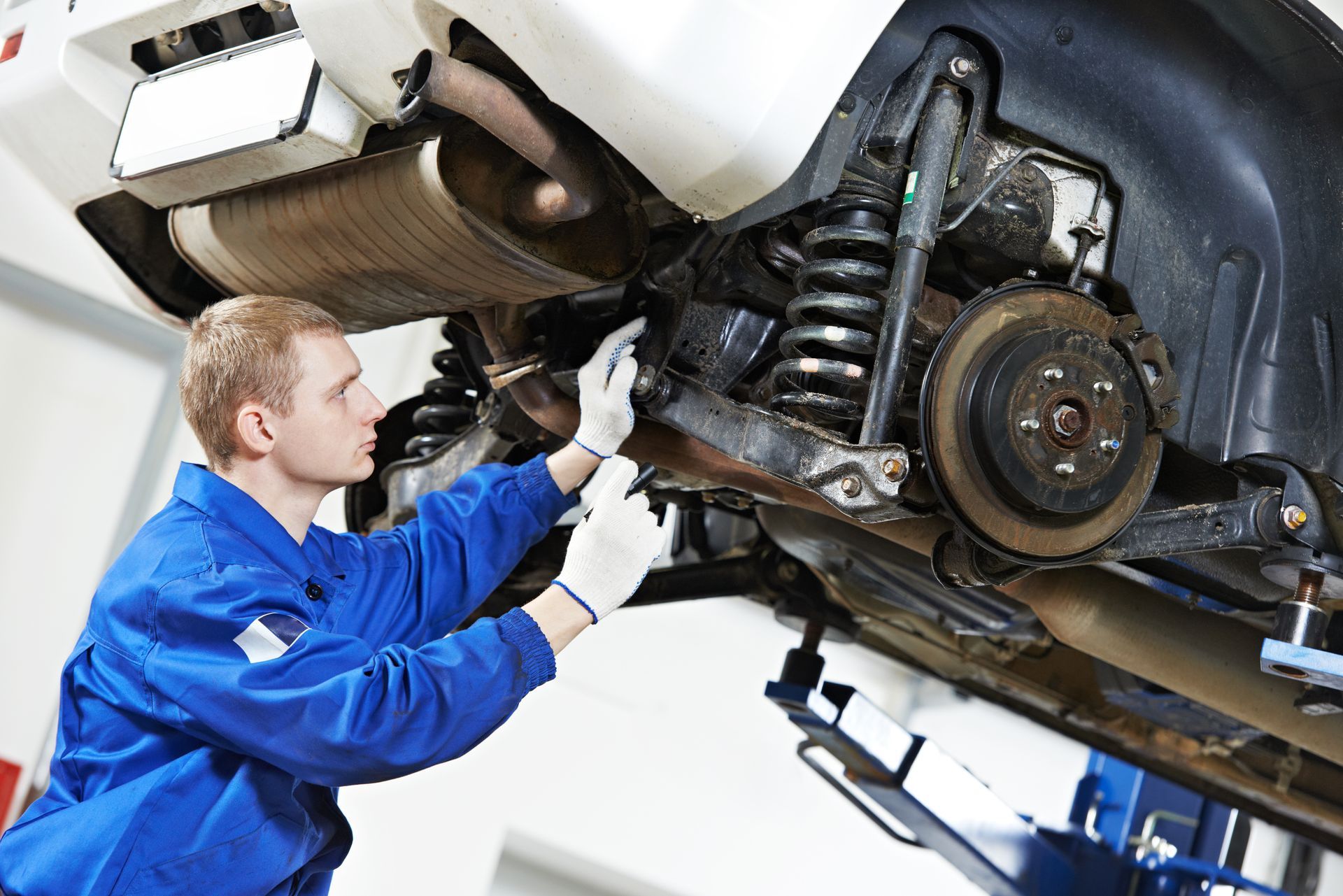
We can inspect your rotors, pads, and calipers to determine whether the rust you’re seeing is normal surface film or a sign of deeper corrosion that needs repair. We’ll explain what’s going on and recommend the right fix to keep braking consistent and safe.
Call
Evergreen Auto Repair in Everett, WA, to schedule a brake inspection.