Your SUV’s suspension keeps the ride stable, the tires planted, and the steering predictable. When parts wear, the symptoms start small. Catching these early saves tires, shortens stopping distances, and keeps highway driving calm around Everett traffic.
1. New Noises Over Bumps or Driveway Ramps
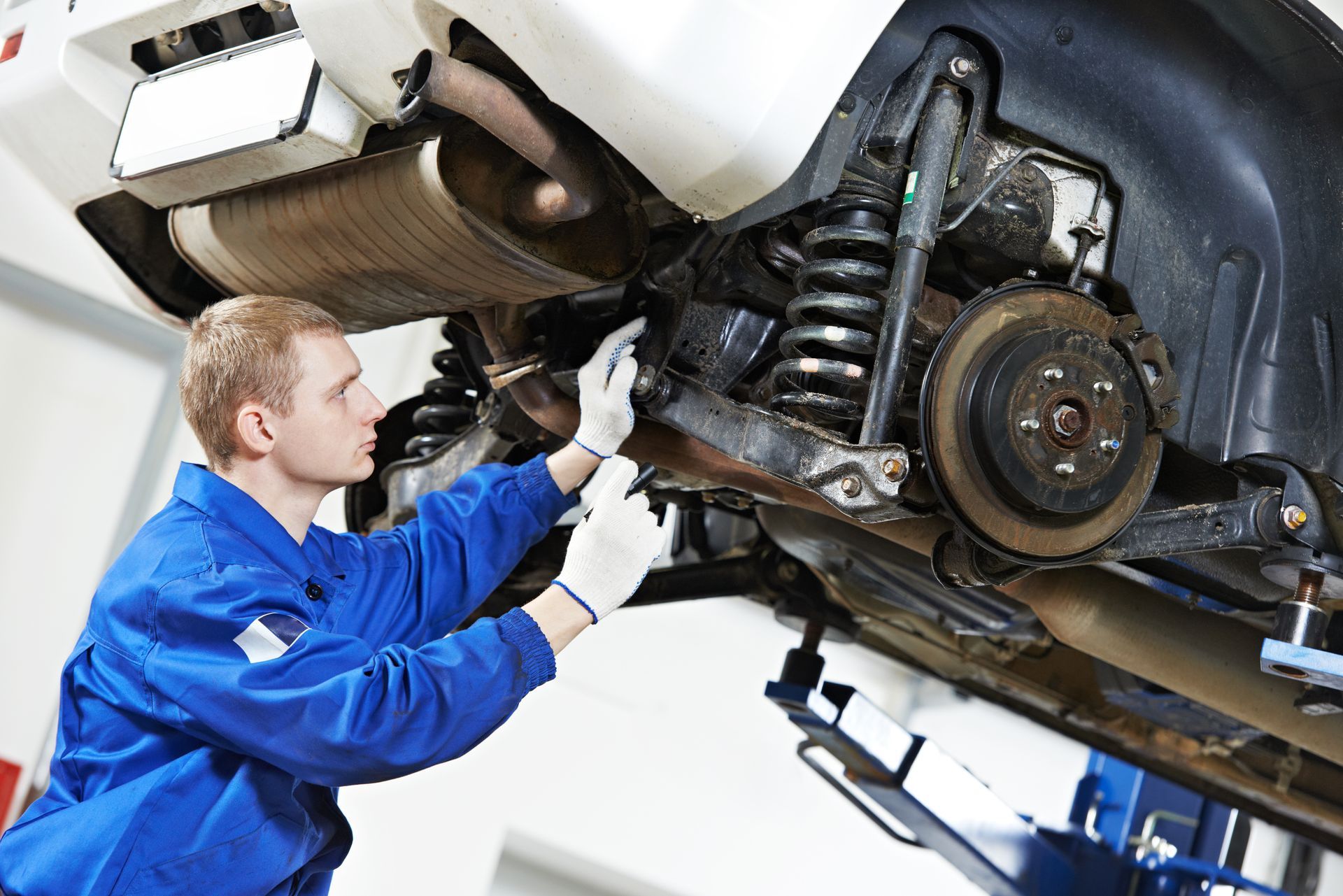
Clunks, knocks, or creaks over speed bumps and angled driveways point to worn joints or bushings. A dull clunk often traces to a sway bar link or a control arm bushing that has developed play. A rubbery squeak suggests dry bushings. Our technicians road test on a familiar loop to match the exact noise with the suspension movement, then check links, mounts, and bump stops on the lift to confirm what changed.
2. Steering That Feels Vague or Drifts
A healthy SUV tracks straight and returns to center naturally after a turn. If you find yourself making constant micro-corrections or the steering wheel sits a few degrees off center, toe or camber may be out of spec, or a tie rod end could be loose. Worn strut mounts can add a sticky, notchy feel at low speed. We separate alignment drift from true part wear with a short road test and a hands-on inspection of tie rods, rack mounts, and strut bearings.
3. Uneven Tire Wear That Tells a Story
Your tread is the report card. Inner edge wear hints at excess negative camber or toe-out. Outer edge wear shows with positive camber or lots of tight, slow turns. Feathered blocks feel smooth one way and sharp the other, a classic toe clue. Cupping looks like little scoops across the tread and usually means shocks or struts are no longer controlling bounce. If one corner keeps wearing faster even after a rotation, we look closely at that corner’s joints and bushings before setting alignment.
4. Ride Height Changes or a Sagging Corner
Step back and look from the side. A visibly low corner can mean a weak spring, a leaking strut, or an air suspension issue on models equipped with it. An SUV that squats in back with just a stroller and groceries suggests tired rear springs. Oil film on a shock or strut body is a sign that the internal seal is leaking, which reduces damping and lets the tire hop on rough pavement. We measure ride height side to side and front to rear, because proper geometry depends on correct height first, then alignment.
5. Braking and Cornering Feel Have Changed
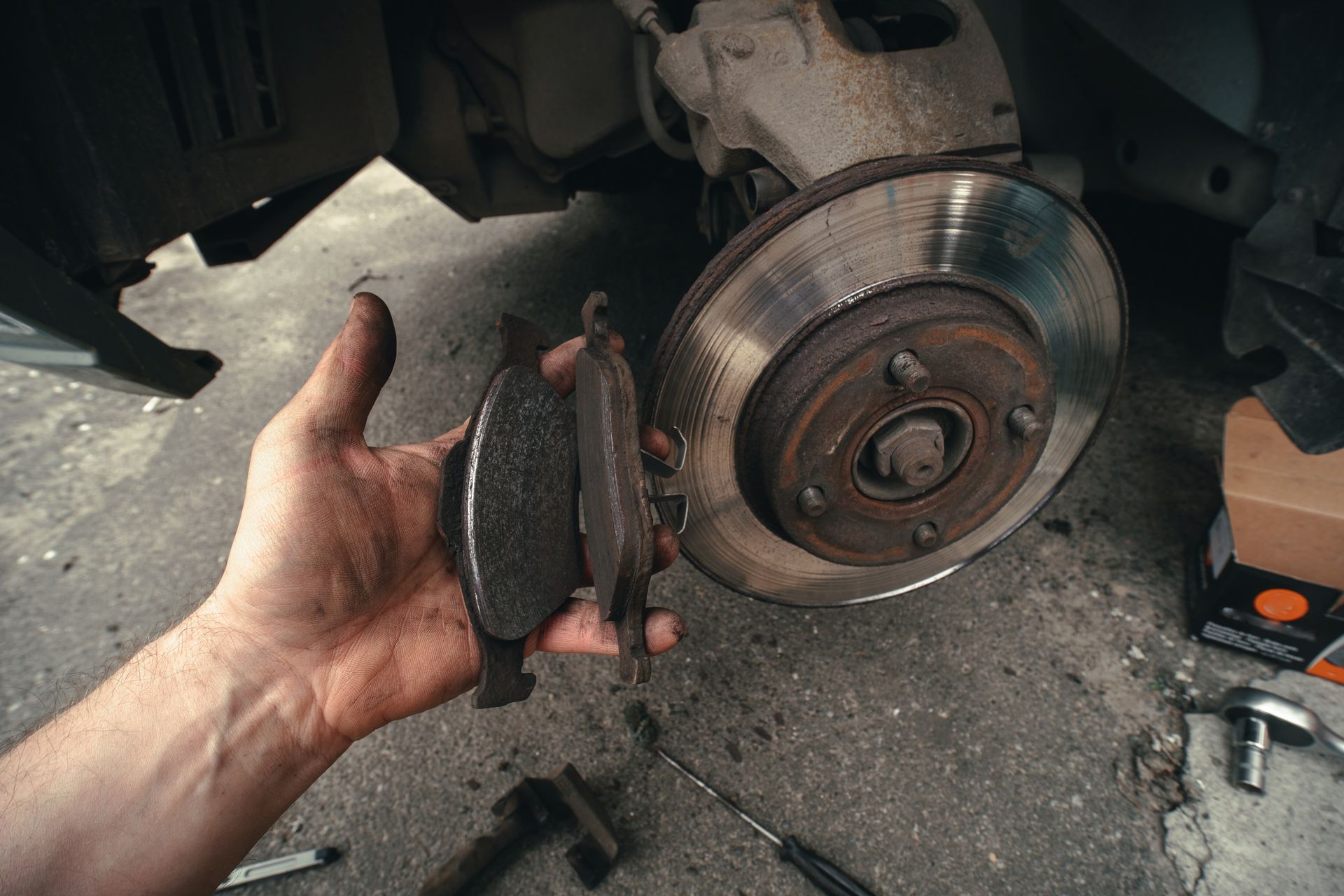
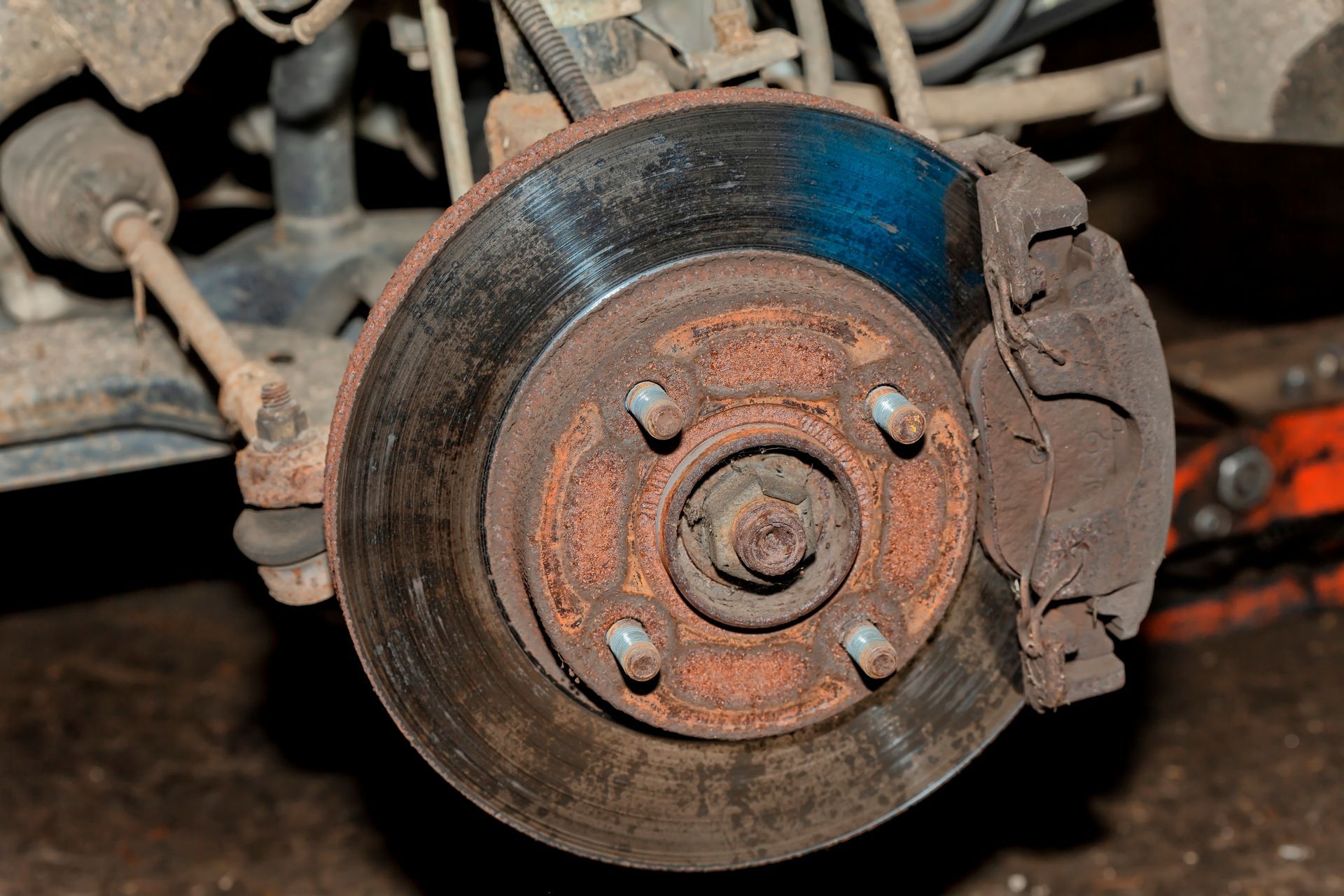
Suspension and brakes work together. Excessive dive when you hit the pedal, a delayed “set” in corners, or a rear end that feels floaty over expansion joints all point to fading dampers. A pull only under braking is not always a caliper; a loose control arm bushing can let the wheel shift, changing toe as the weight transfers forward. Our team checks pad wear patterns, bushing condition, and shock performance to decide whether the brake system or the suspension is the true cause.
6. Extra Sensitivity to Wind, Ruts, or Loads
If crosswinds shove the SUV around more than last season, or the vehicle follows grooves and needs constant correction, small alignment errors or weak bushings may be amplifying the effect. Adding a roof box or towing a small trailer can mask worn parts until the added load makes the problem show. We set tire pressures for your real-world load, then measure camber, caster, and toe on a calibrated alignment rack so the steering settles down again.
How to Keep Problems From Returning
Rotate tires on schedule, set pressures monthly, and plan an alignment after any suspension or steering repair. If you hit a pothole hard or brush a curb, a quick inspection now is cheaper than a tire and a strut later. When replacing shocks or struts, fresh mounts, boots, and hardware help the new parts live their full life. Small habits keep the ride quiet and the steering relaxed.
Get Professional SUV Suspension Service in Everett with Evergreen Auto Repair
If your SUV clunks, wanders, or chews through tires, bring it to our Everett team. We will road test, inspect every joint and bushing, replace only what is worn, and set alignment to factory specs so your SUV drives straight and feels settled.
Schedule a visit with
Evergreen Auto Repair and get back to a calm, confident ride.