Plain water in the washer reservoir sounds harmless. It is cheap, easy, and right there from the tap. The problem is that your windshield washer system was never designed to run on straight water, and the damage usually shows up the first time temperatures swing or you really need clear glass at highway speeds.
Why Washer Fluid Matters More Than It Looks
Washer fluid does three main jobs. It cleans road film and bug residue, resists freezing in cold weather, and protects the small pump, hoses, and nozzles from buildup. Store bought fluid has alcohols, detergents, and corrosion inhibitors mixed in for those reasons. Water alone cannot do any of that very well.
On a dry day, you might not notice much difference in using water. Once you drive behind trucks, through construction, or in winter slush, you see the limits quickly. Instead of cutting through grime, the water smears it, freezes, or leaves cloudy streaks that make glare worse.
What Happens When You Fill the Reservoir with Water
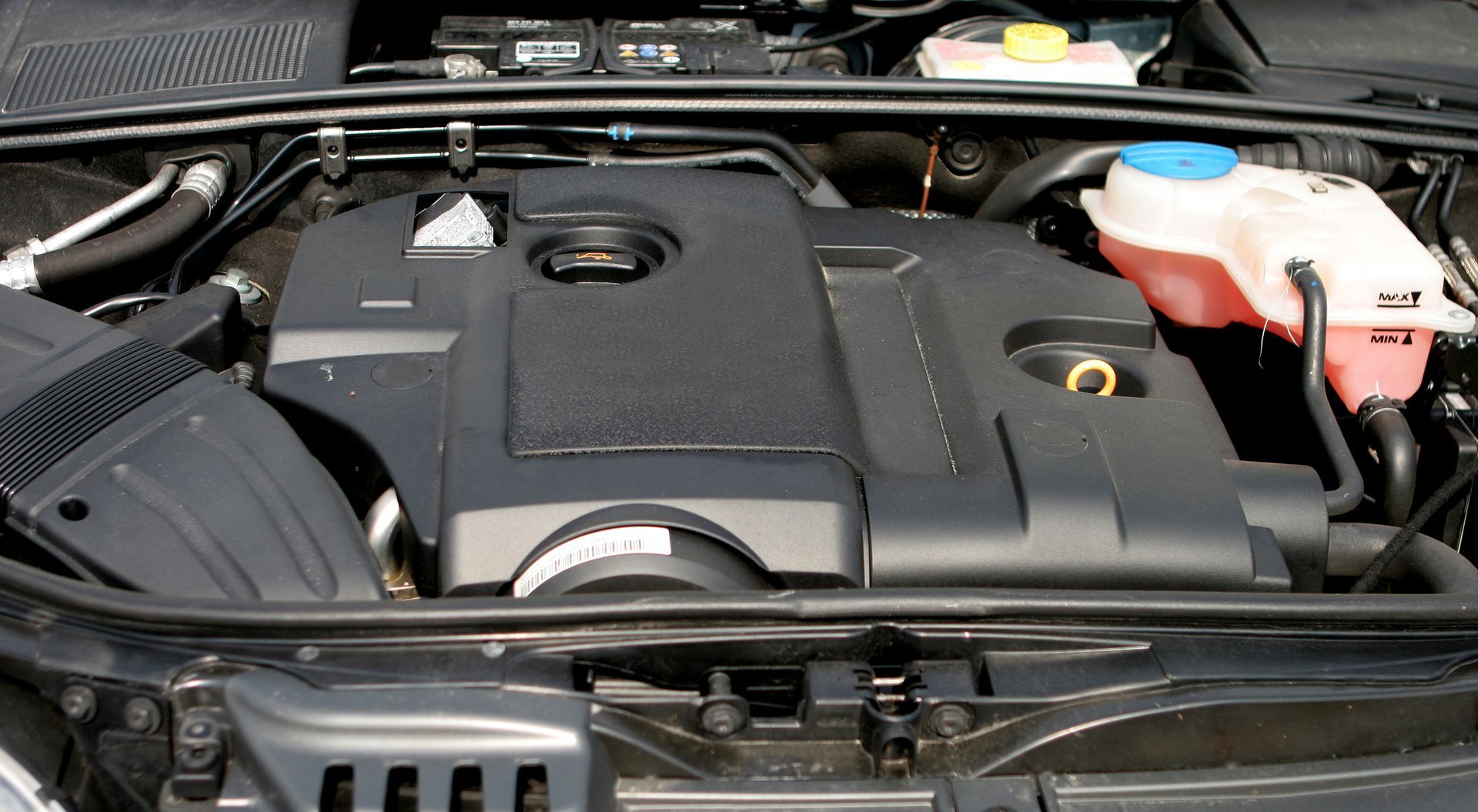
Filling the reservoir with water might feel like a quick fix when fluid is low, especially if the weather is mild. Inside the system, that choice starts working against you almost right away. Hard tap water leaves minerals behind as it evaporates. Those minerals build up in the pump, on the filter screen, and at the tiny nozzles that spray the glass.
Over time, the spray pattern becomes weak or uneven. You may notice one side barely misting the windshield while the other still looks normal. In some cases, the pump has to work harder to push water through partly clogged lines, which shortens its life. When we check washer systems that have been on plain water for a long time, we often find cloudy residue coating the inside of the reservoir.
Cold Weather: Freezing, Cracks, and No Spray When You Need It
The biggest risk with water comes when temperatures drop. Water in the reservoir, pump, or hoses can freeze solid. Ice expands, which can crack plastic tanks, split hoses, and damage the pump housing. You may not see that damage until a thaw, when fluid starts dripping from somewhere it should not.
On a freezing morning, a system full of water might not spray at all. You pull the stalk, hear the pump run, and nothing hits the glass. Even if a little slush makes it to the nozzles, it can refreeze on the windshield and make visibility worse. Many drivers do not realize that a simple top off with proper washer fluid in the fall would have prevented the midwinter headache.
Warm Weather Problems: Streaks, Smells, and Hard Water Deposits
Warm climates have their own issues. Water alone struggles with the oily film that comes from road tar, diesel exhaust, and bug residue. Instead of a clean swipe, the wipers smear a dirty haze that can be hard to see through when the sun is low. Night driving gets tougher, too, because oncoming headlights catch every streak.
If the vehicle sits a lot, algae and bacteria can grow in standing water, especially in a warm engine bay. That can leave a musty or sour smell every time you hit the washers. Hard water deposits also keep building in the reservoir and lines, so even if you switch back to proper fluid later, the system may still need a good flush to behave normally.
Owner Habits That Make Washer System Damage More Likely
A few common habits turn a small shortcut into real damage over time:
- Topping off with water every time instead of fixing a slow leak in the reservoir or hoses
- Using hot water to “help” in winter, which can crack cold glass or plastic if the temperature difference is large
- Ignoring a weak or crooked spray pattern, then running the pump repeatedly, and overheating it
- Mixing a little washer fluid into a mostly water filled system and assuming the freeze protection is now adequate
These patterns are easy to fall into because the washer system is out of sight until you need it. By the time the pump fails or the reservoir splits, you are dealing with parts and labor instead of a simple fluid change.
How to Switch Back to Proper Washer Fluid Safely
If you suspect the reservoir is full of water, it is worth correcting before the next season comes around. A safe approach is to drain as much as possible, either by disconnecting a hose at the bottom of the reservoir or by running the system while catching the fluid where it exits. Once most of the water is out, refill with a quality washer fluid rated for your climate.
In colder areas, choose a blend that protects well below freezing. If the spray pattern is still weak after the change, the nozzles and lines may need cleaning, or the pump may need inspection. When we service a system that has seen a lot of water use, we usually inspect for cracks, leaks, and mineral buildup instead of assuming a fluid swap will solve everything.
Get Windshield Wiper Fluid Service in Everett, WA with Evergreen Auto Repair
If your washers barely spray, freeze in winter, or you know the reservoir has been topped off with water, this is a good time to get things sorted out. We can inspect the tank, pump, lines, and nozzles, flush out contamination, and refill the system with the right washer fluid for local weather.
Schedule windshield wiper fluid service in Everett, WA with
Evergreen Auto Repair, and we will help keep your view clear in every season.