This is a subtitle for your new post
When an engine starts burning oil, knocking, overheating, or losing compression, the big question shows up fast: do you fix what’s inside, or do you swap the whole thing? Both paths can be smart, and both can be a waste of money if the decision is made based on guesswork or internet opinions.
The best choice depends on what failed and what condition the rest of the engine is in.
Replacement Versus Overhaul: What You’re Actually Buying
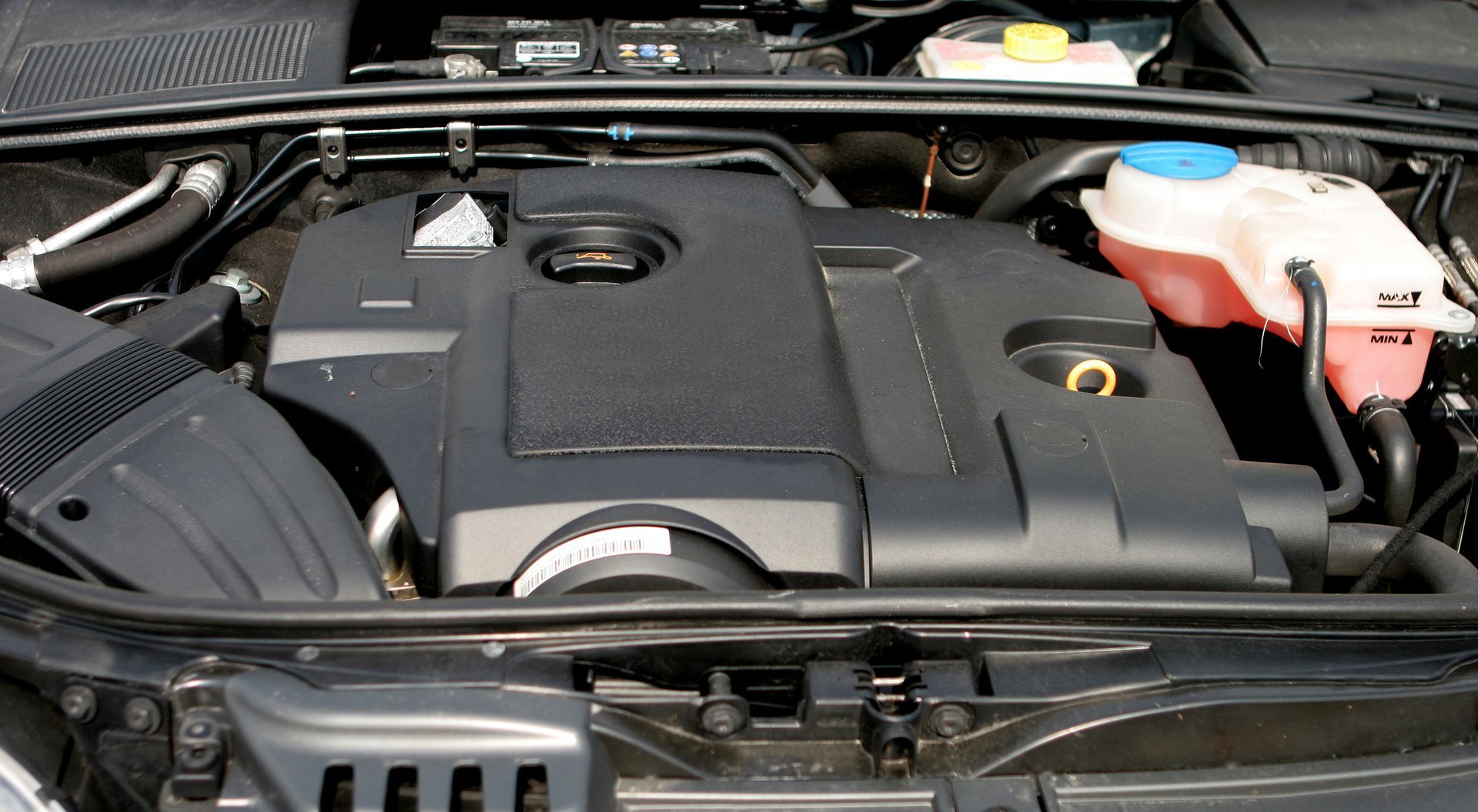
An engine overhaul means rebuilding your existing engine by repairing or replacing worn internal parts, then reassembling it to meet spec. That can include machining work, bearings, rings, gaskets, valve work, timing components, and more, depending on what’s worn or damaged. The benefit is that you keep the original engine, and you can correct specific wear patterns instead of rolling the dice on an unknown used motor.
An engine replacement means installing a different engine, which could be new, remanufactured, or used. The advantage is speed and simplicity when the original engine has major damage or widespread wear. The downside is that not every replacement engine has the history you wish it had, so the source and warranty matter a lot.
When An Overhaul Makes Sense
Overhauls are a good fit when the engine is fundamentally sound but worn, and the failure is concentrated in areas that can be corrected. Common examples include low compression from worn rings, oil consumption from tired valve seals, or bearing wear that hasn’t destroyed the crankshaft. If the block and head are in good shape and machining can restore surfaces properly, rebuilding can bring the engine back to a strong baseline.
Overhauls also make sense when the vehicle has a known history and you want to protect that investment. If the engine has been maintained, hasn’t been overheated repeatedly, and the failure didn’t send metal through the entire system, rebuilding often results in a predictable outcome. It also lets you refresh the wear items you cannot reach during normal service, which can extend life in a way basic repairs cannot.
When Replacement Is The Better Call
Replacement is usually the better option when there is catastrophic damage or multiple internal failures at once. A thrown rod, cracked block, severe overheating that warped multiple surfaces, or heavy metal contamination through the oiling system often pushes the decision toward replacement. In those cases, rebuilding can turn into a long, expensive process with too many unknowns.
Replacement can also make sense when downtime matters. If you rely on the car daily and need it back on the road sooner, a quality remanufactured engine with a solid warranty can be the cleanest route. Used engines can work too, but they only make sense when the source is reputable and the mileage and condition are verified, because a cheap used engine is not a bargain if it needs major work right after installation.
The Hidden Costs That Tip The Scale
People often compare the sticker price of rebuild versus replacement and stop there. The smarter comparison includes everything around the engine that can affect the total bill and long-term reliability. That includes labor time, parts that should be replaced while the engine is out, and the condition of supporting systems like cooling, fuel, and ignition.
Here are the common add-ons that change the final number on either path:
- Cooling system repairs, especially if overheating played a role
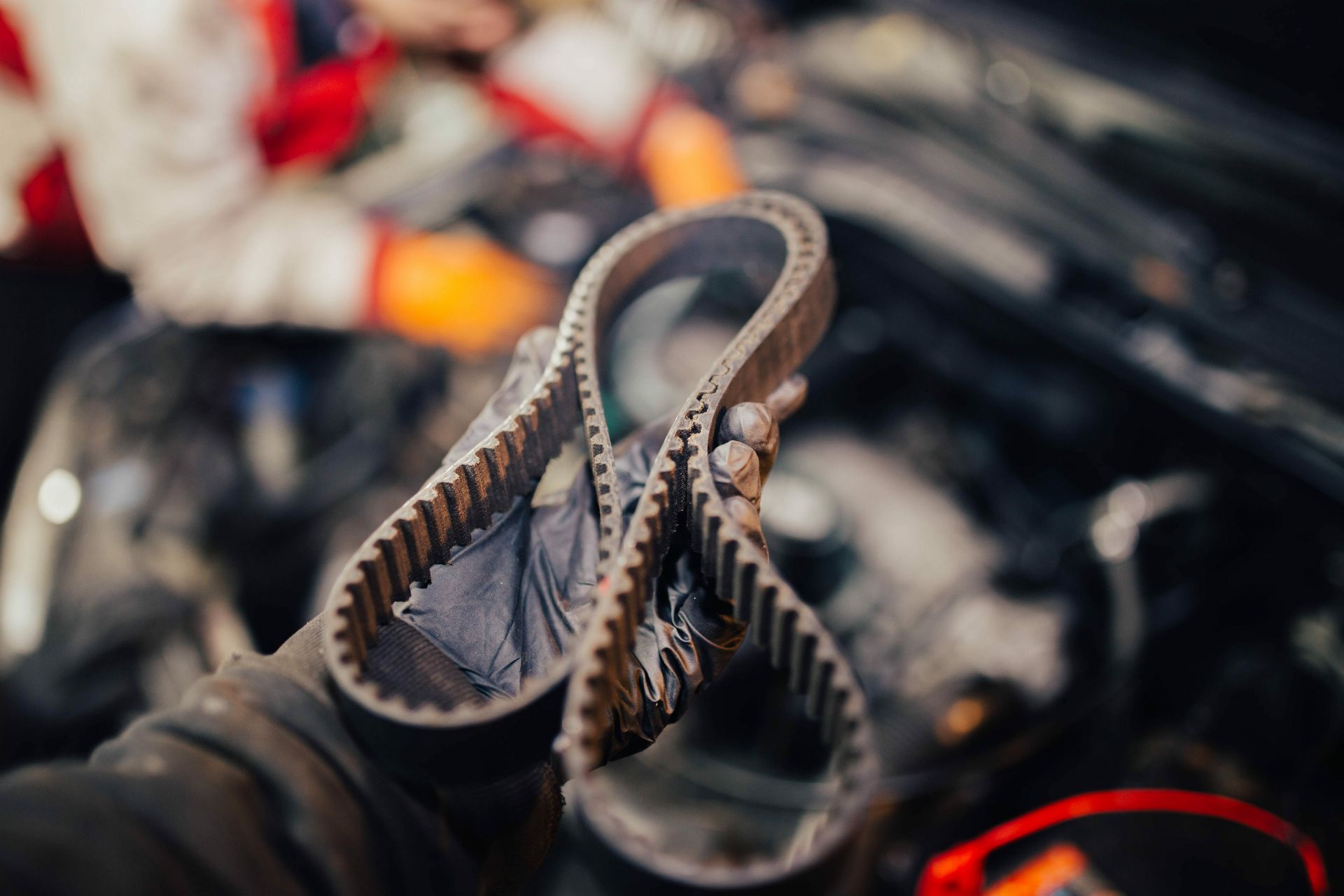
- Motor mounts, hoses, belts, and seals that are easiest to replace with the engine out
- Turbocharger or oil supply issues on turbo engines that caused the failure
- Fuel injector or ignition problems that can mimic internal engine trouble
- Oil leak sources that are cheaper to address during engine removal
This is why regular maintenance matters, because a neglected cooling system or old oil can turn a small issue into a decision you never wanted to make.
How We Decide: Tests That Matter
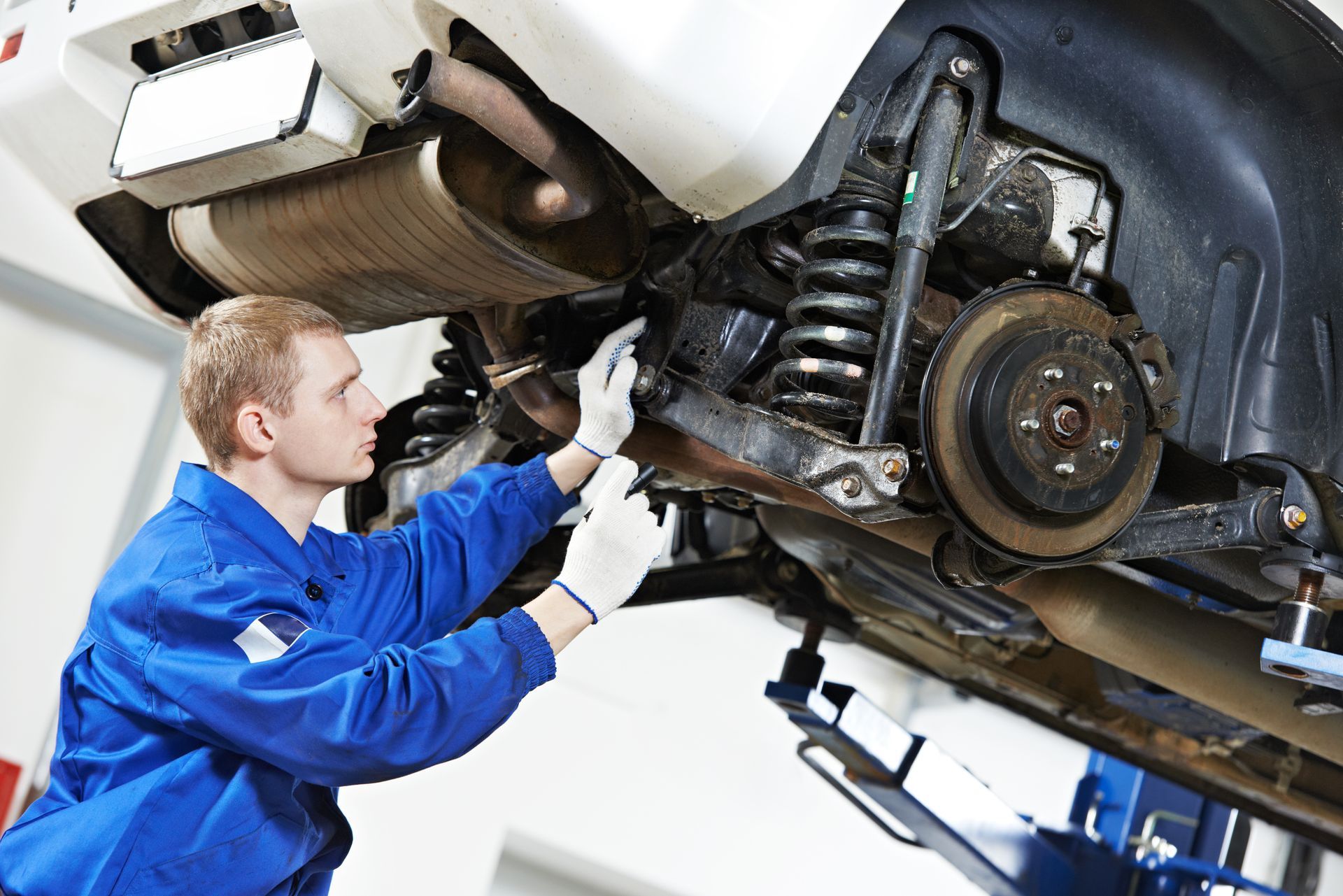
The decision should start with an inspection that confirms whether the problem is internal engine wear, an external leak, or a supporting system failure that only looks like engine damage. Compression testing and leak-down testing are key because they show whether the cylinders can seal properly. Oil pressure checks and filter inspection can reveal bearing wear or metal contamination before you commit to a major plan.
Cooling system pressure testing matters too, especially if the complaint involves overheating or coolant loss. A head gasket issue, a cracked head, or a failing water pump can push an engine toward failure, but those problems do not automatically mean the engine needs to be replaced. Once the facts are on the table, the choice becomes clearer, and you can spend money on the fix that actually solves the problem.
Get Engine Repair In Everett, WA With Evergreen Auto Repair
If your engine is burning oil, knocking, overheating, or losing compression, the next step is to confirm whether an overhaul will reliably restore it, or whether replacement is the smarter long-term move. Schedule service with Evergreen Auto Repair in Everett, WA, and we’ll map out the options based on testing and the condition of your engine and supporting systems.
You’ll leave with a plan that makes sense for your car and your budget.