Most car noises do not appear out of nowhere or for no reason. A new sound usually means a part has started wearing differently, moving more than it should, or rubbing where it was never supposed to touch. The hard part is that the car may still drive well enough to make the sound feel easy to postpone.
That new noise is an early warning, not a background annoyance.
Why New Noises Should Not Be Ignored
Vehicles are built with a normal range of sound, though drivers usually know when something has changed. A fresh squeal, clunk, hum, click, grind, or whine stands out because it was not there last week. Once a sound appears and repeats under the same conditions, there is usually a mechanical cause.
The good news is that noises often show up before a full breakdown does. That gives you a chance to catch a worn belt, loose suspension part, dragging brake, or failing bearing while the repair is still focused. During regular maintenance, these clues are often found early enough to keep them from spreading into more expensive damage.
What The Sound Itself Usually Points To
The type of noise gives a strong starting point. While a sound alone will not confirm the exact failed part, it usually narrows the search quickly.
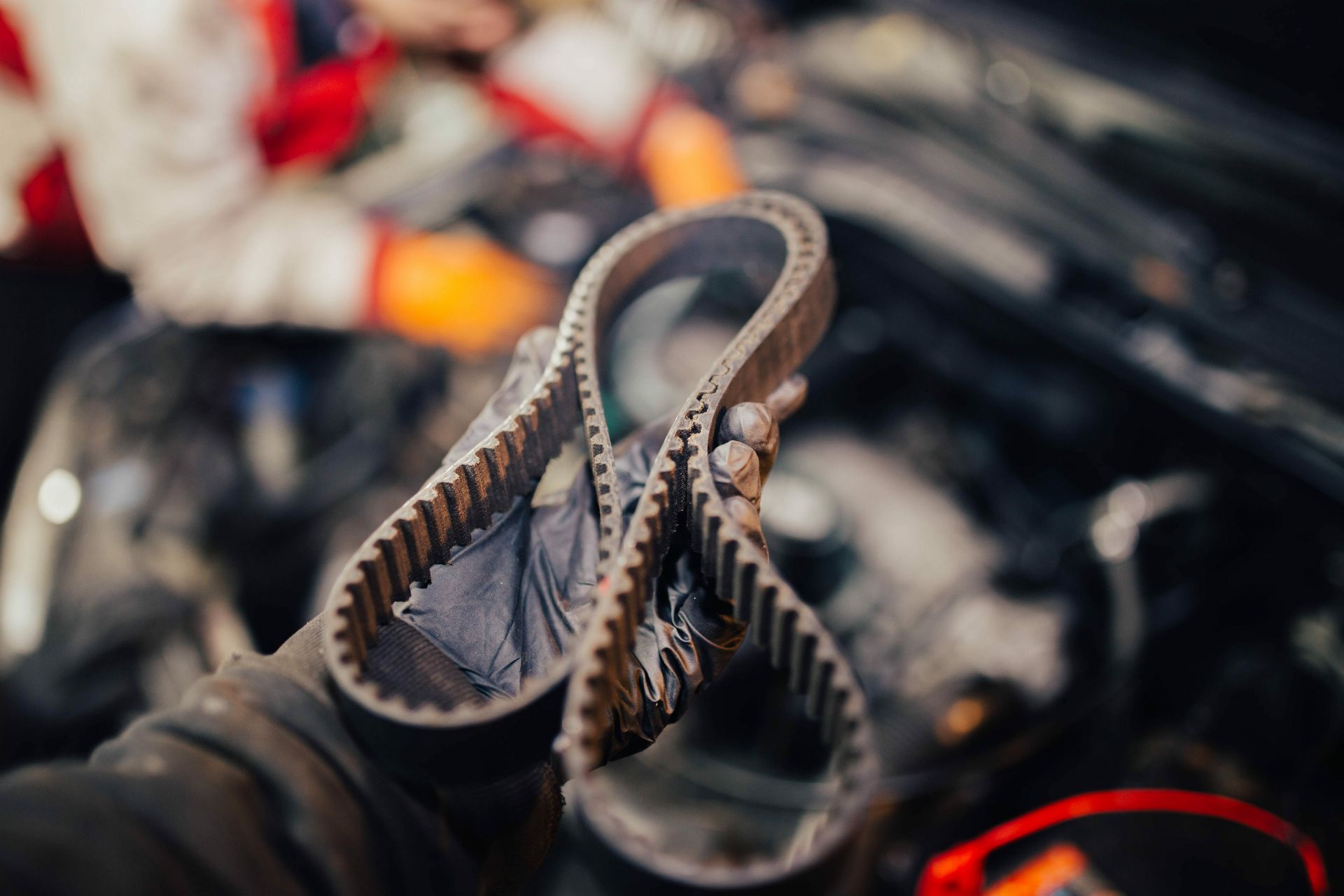
- A squeal at startup or when accelerating often points to a worn belt, weak tensioner, or pulley issue
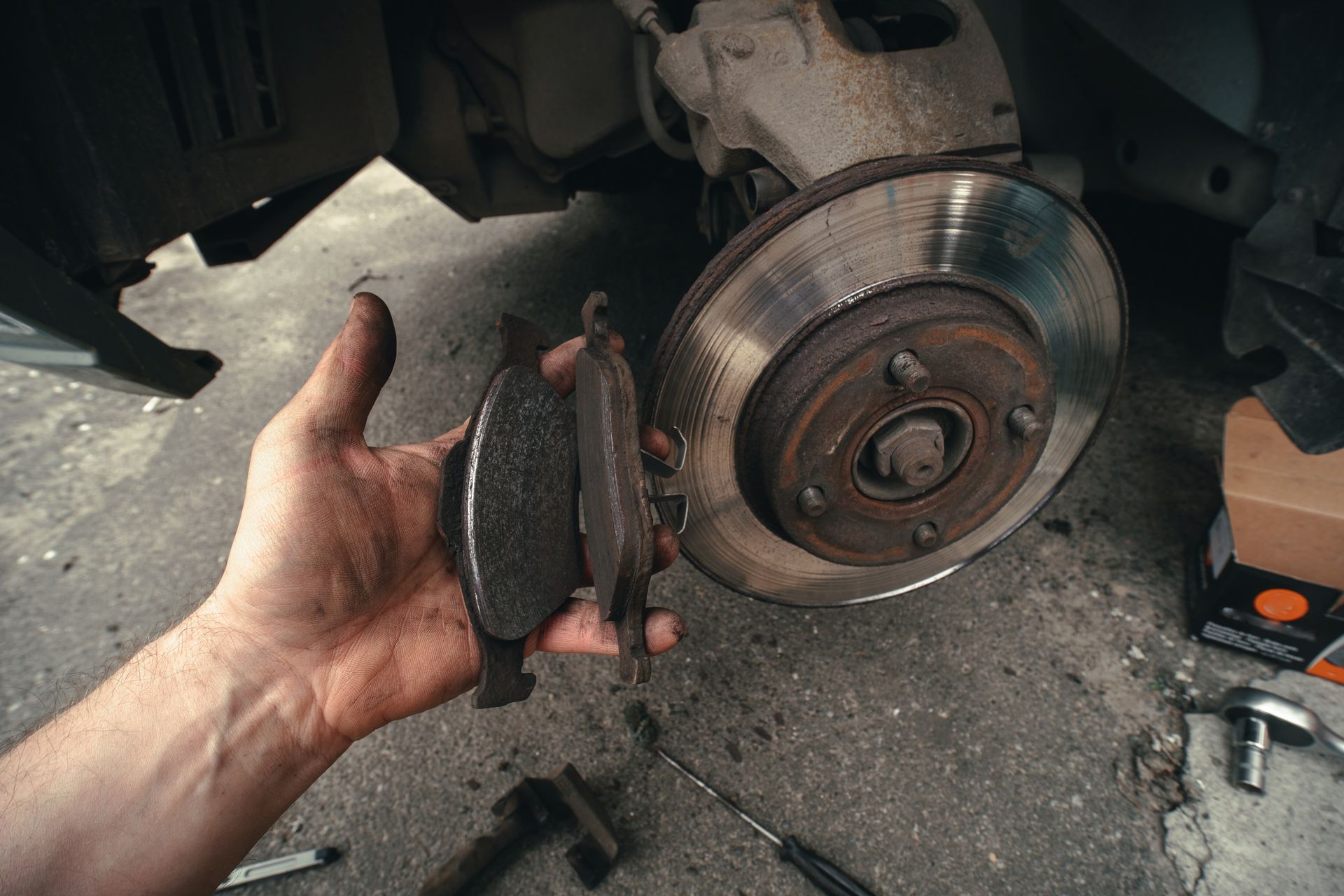
- A grinding sound during braking usually means brake pads are worn down, or hardware is failing
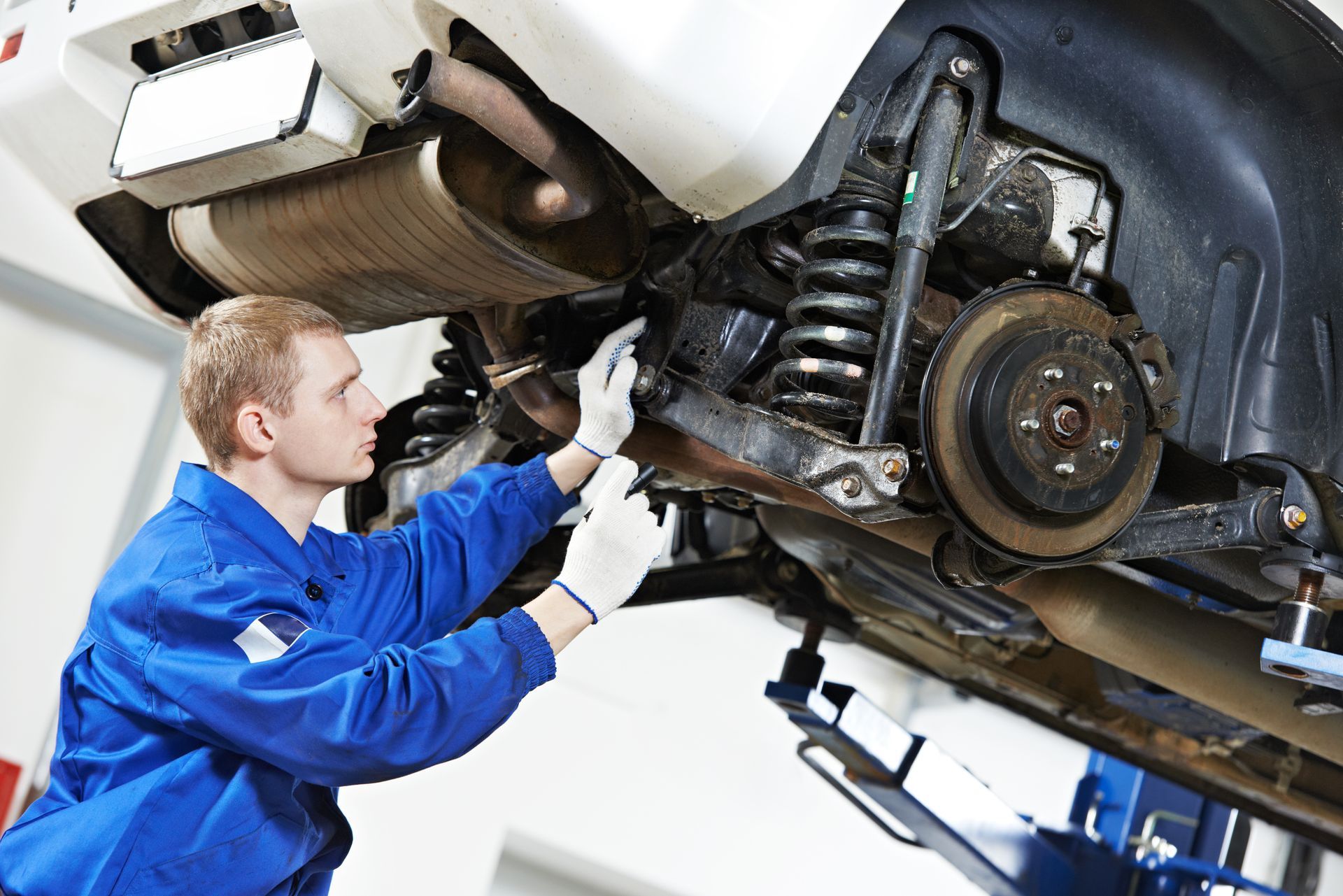
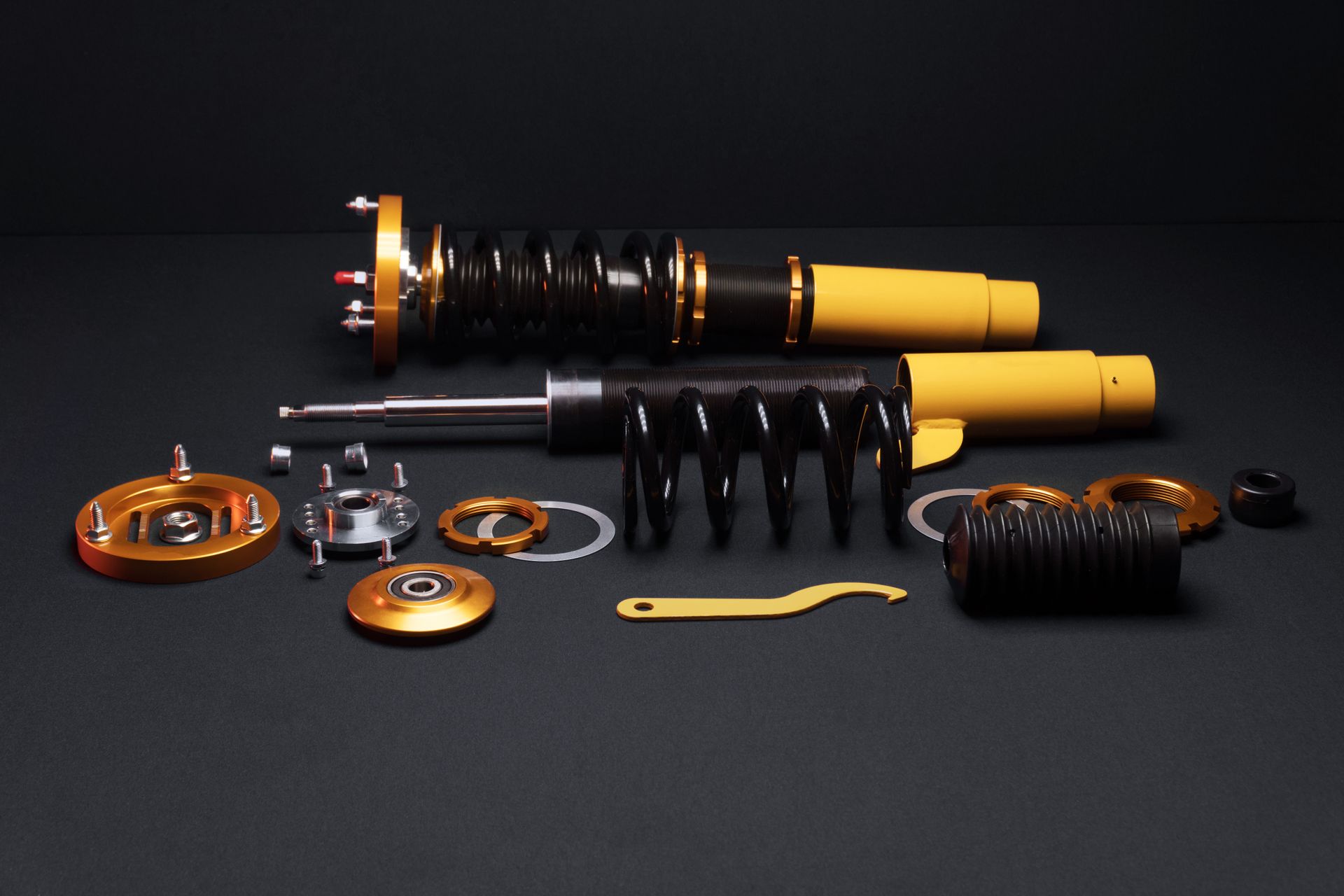
- A clunk over bumps often suggests suspension wear, such as links, bushings, or ball joints
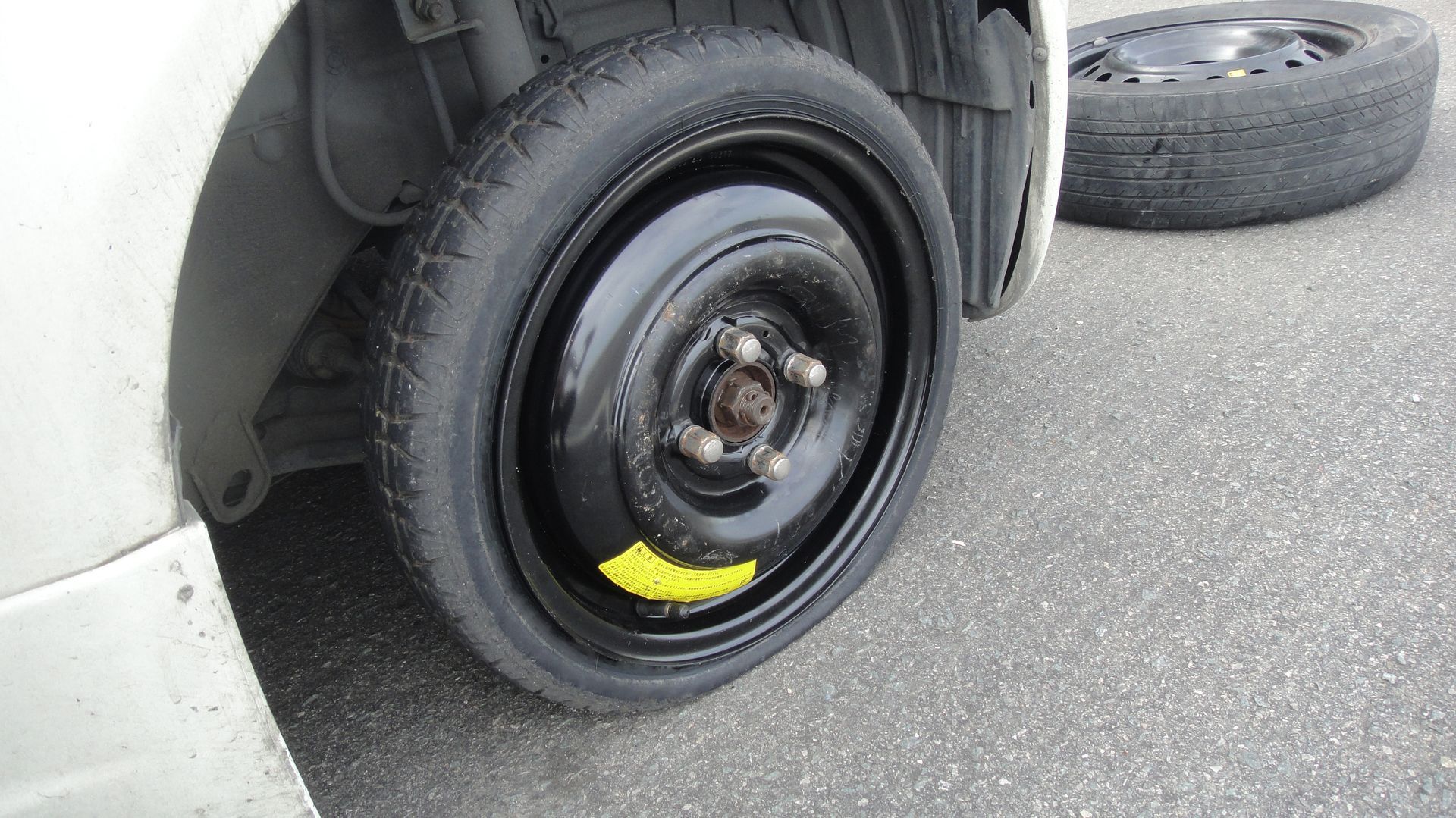
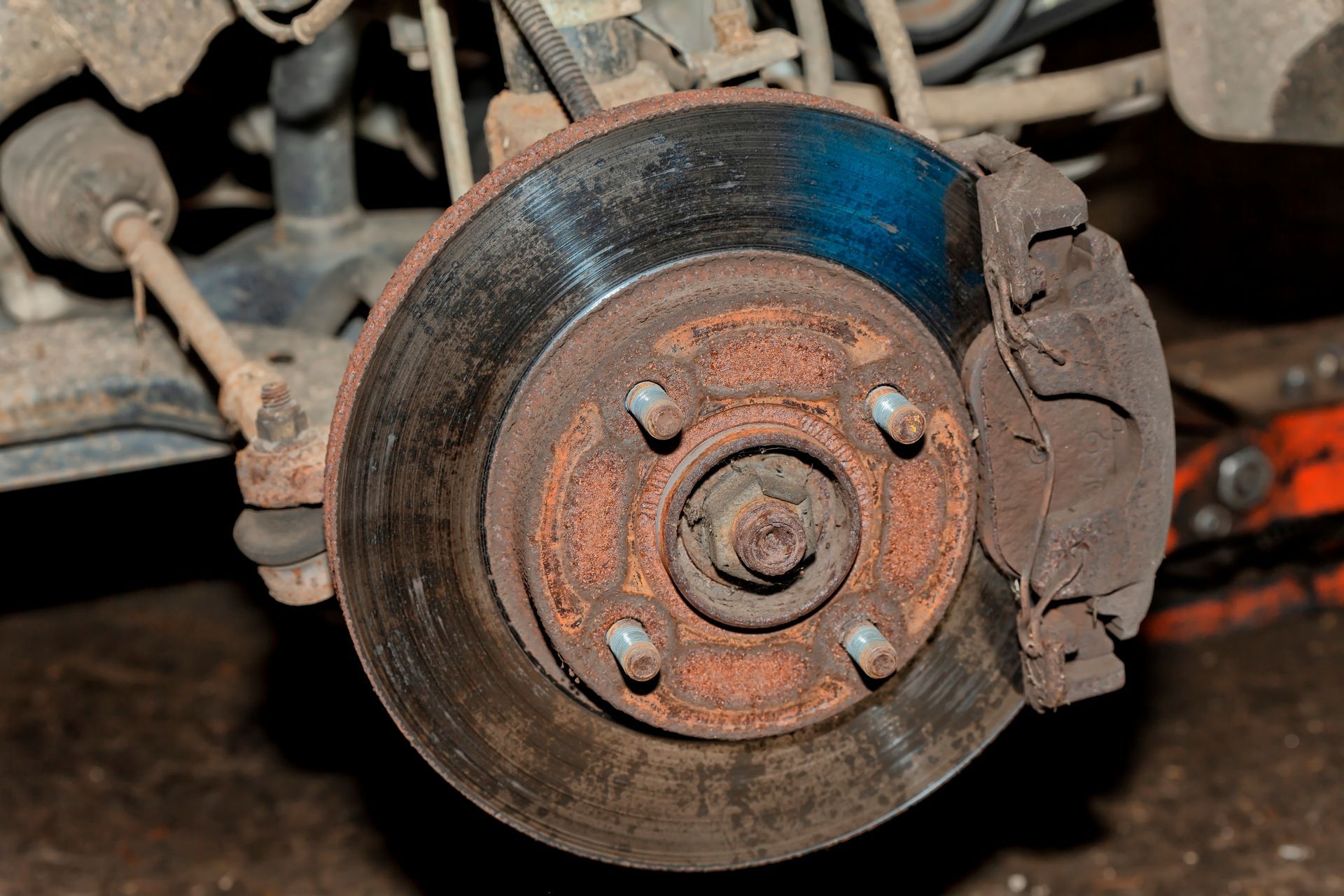
- A humming or growling that rises with speed often points toward a wheel bearing or tire problem
- A clicking sound during turns often leads back to a CV axle or joint problem
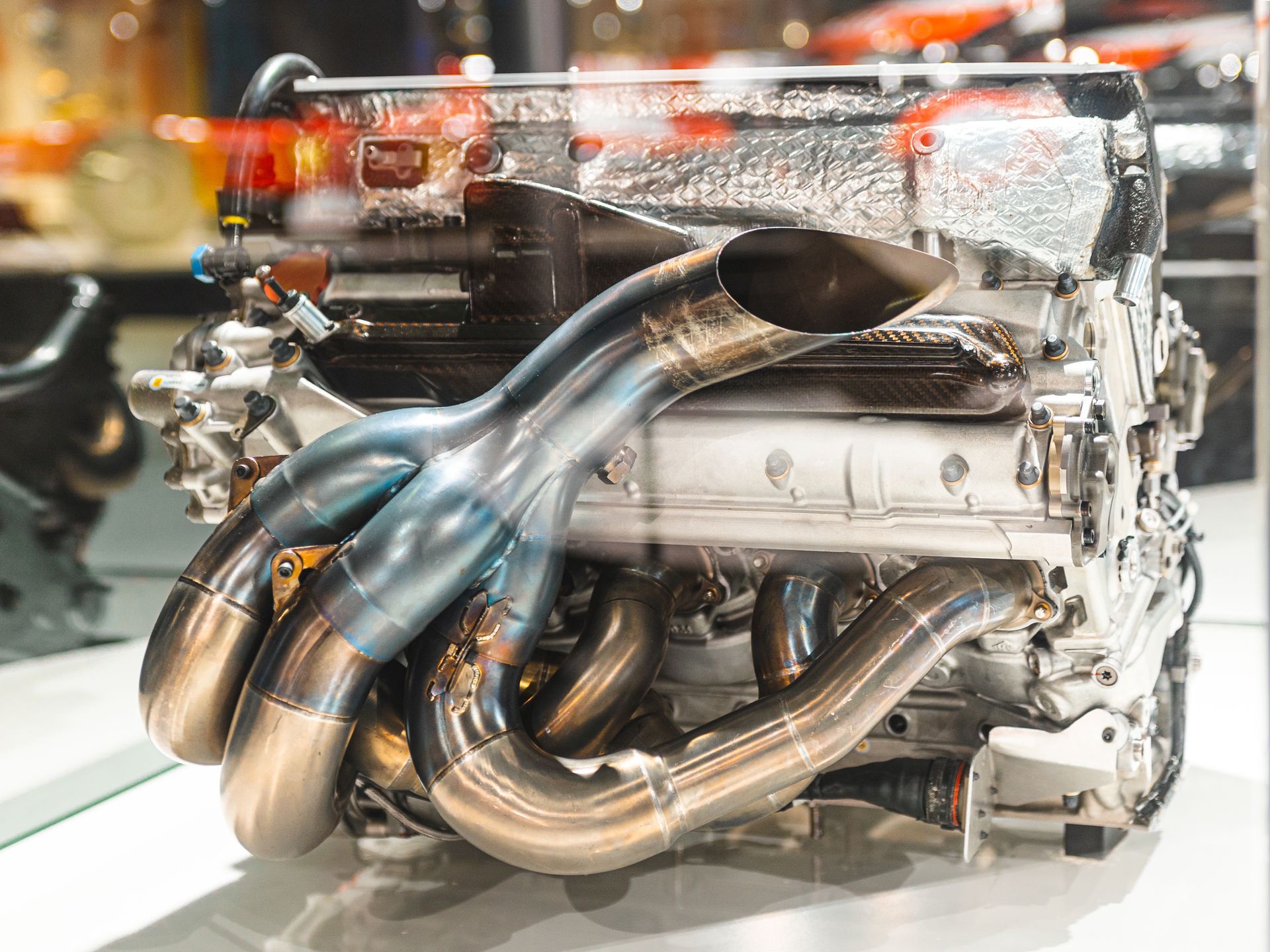
- A whining sound under the hood usually comes from a pump, pulley, or bearing under strain
That is why describing the sound clearly helps so much. Even a few details about when it happens can move the inspection in the right direction right away.
When The Timing Of The Noise Gives It Away
When a noise can be heard is just as useful as what it sounds like. A sound that appears only during cold starts points in a different direction than one that happens only while braking or only when turning left. The vehicle is giving clues through the pattern, and that pattern helps separate engine, brake, steering, and suspension issues.
For example, a noise that shows up at idle but fades once you drive may point toward belts, pulleys, or accessories under the hood. A sound that appears only on rough roads pushes suspension parts much higher on the list. If it gets louder with speed, tires, wheel bearings, or driveline parts deserve close attention during an inspection.
Road Noises And Underhood Noises Tell Different Stories
Sounds from under the hood usually come from heat, friction, or rotating engine-driven parts. Belts, pulleys, alternators, water pumps, power steering components, and A/C compressors are common sources. These sounds often change with engine RPM, which is why revving the engine in Park may make the noise easier to hear.
Road noises follow a different pattern. They usually change with vehicle speed, steering angle, braking, or road surface. A brake noise on every stop, a clunk over driveway entrances, or a hum that grows stronger on the highway usually points away from the engine and toward the wheels, brakes, tires, or suspension.
Why Small Noises Usually Get Bigger
A noise starts when something has already changed. A bearing has started wearing out. A brake pad has worn thin. A bushing has cracked enough to let parts move more than they should. That is why waiting rarely keeps the repair the same.
A light squeal can turn into a broken belt. A mild hum can turn into a failing wheel bearing. A small clunk in the front end can lead to loose steering and uneven tire wear. We have seen plenty of cars come in with a complaint that started as a minor sound and ended up involving several parts because it was left alone too long.
What A Good Noise Inspection Should Include
A proper noise check should focus on both the sound and the conditions that create it. That means listening during startup, turning, braking, accelerating, and driving over uneven pavement if needed. It should include the belts, pulleys, brakes, steering, suspension, tires, and wheel bearings, depending on where the noise appears to be coming from.
Guessing based on the sound name alone is how people end up replacing the wrong part. A careful inspection looks at movement, wear, heat, and load instead of chasing the loudest symptom. Once the source is confirmed, the fix is usually much more straightforward than drivers expect.
Why Your Car Is Making Noise Now
A car usually starts making a new noise because wear has finally crossed the point where you can hear it. Heat, mileage, rough roads, weather changes, and delayed service all push parts toward that point. The sound is not random. It is the vehicle telling you one system needs attention before it affects something else.
That is why it is worth listening to the first time the sound repeats. Catching a problem while it is still just a noise is a lot better than waiting until it becomes a safety issue or leaves you stranded.
Get Professional Auto Repair In Everett, WA, With Evergreen Auto Repair
If your car has started making a new noise, Evergreen Auto Repair in Everett, WA, can track down the source and help you fix it before the problem grows into a larger repair.
Bring it in while that sound is still a clue you can act on