Brake pads do not usually fail without warning. In most cases, they give clear signs that something is changing, but those signs can be easy to ignore at first. The car still stops, the noise comes and goes, and it may not feel urgent enough to deal with right away.
That is where brake wear gets expensive. Catching the early signs helps keep the repair simple and prevents damage to other parts of the braking system.
Squealing Or High-Pitched Noise While Braking
A sharp squealing sound is one of the most common signs of worn brake pads. Many pads are designed with wear indicators that create noise when the material gets too thin.
That sound is meant to get your attention. It does not mean the brakes have failed, but it does mean they are getting close to needing replacement. Ignoring it usually leads to more wear and higher repair costs.
Grinding Noise Means Pads Are Already Worn Out
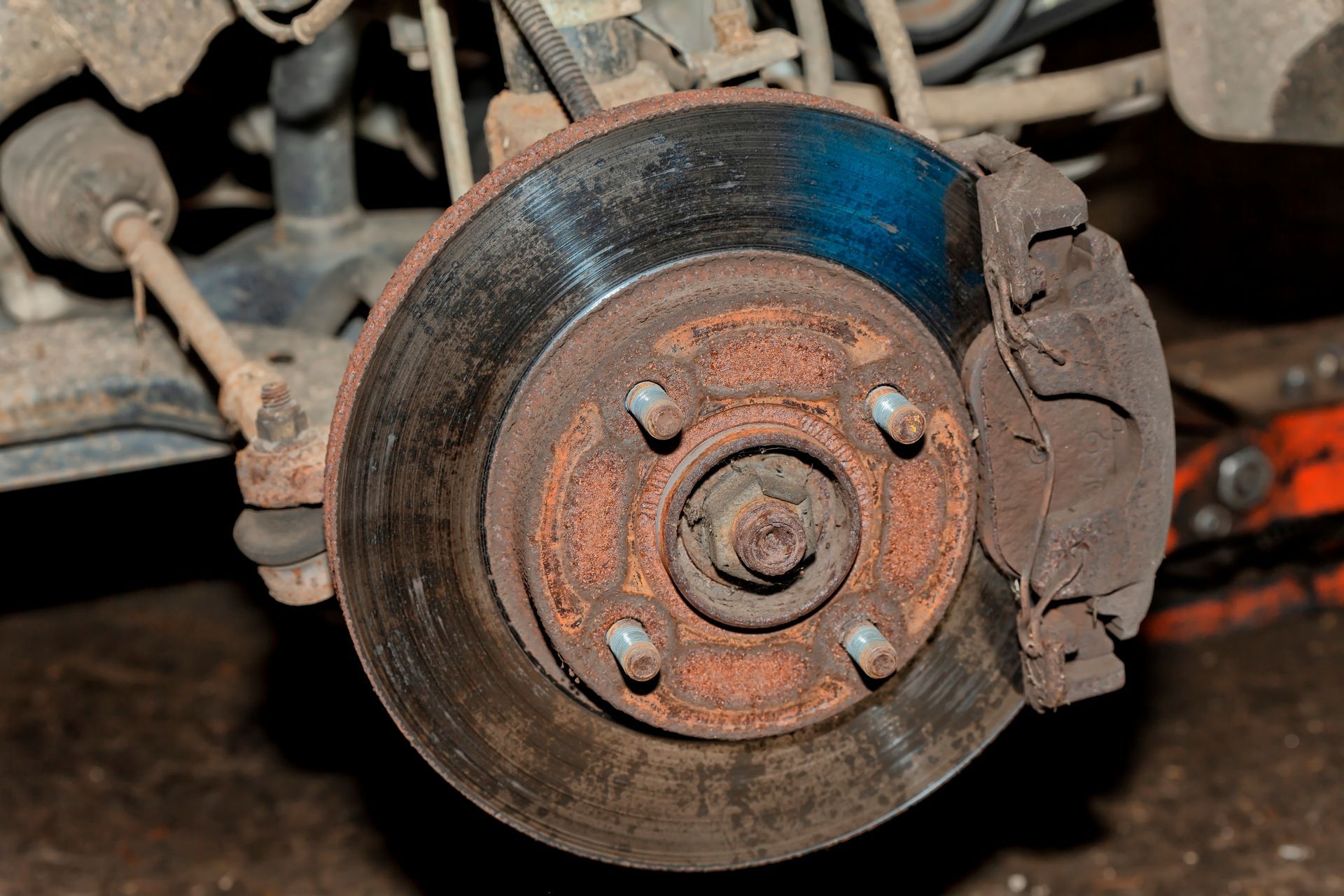
A grinding sound is more serious. At that point, the brake pad material may be gone, and the metal backing plate is contacting the rotor.
This reduces braking performance and can quickly damage the rotor. If you hear grinding, the vehicle should be inspected right away to avoid further damage.
Longer Stopping Distance Or Reduced Brake Response
If your car takes longer to stop or the brake pedal feels less responsive, worn brake pads could be the cause. You may find yourself pressing the pedal harder than before to achieve the same stopping power.
That change can happen gradually, which is why it often goes unnoticed until it becomes more obvious. Any drop in braking performance is worth checking.
Brake Pedal Feels Different Than Usual
Changes in pedal feel can also point to brake wear. The pedal may feel softer, firmer, or less consistent than it used to.
That difference does not always mean the pads are the only issue, but it is a clear signal that the braking system should be inspected. Early attention helps keep the repair focused.
Vibration When Braking
Vibration or pulsing during braking can be related to uneven pad wear or rotor condition. As brake pads wear unevenly, they may not apply pressure smoothly across the rotor.
This can create a shaking sensation in the steering wheel or pedal. While rotors are often involved, worn pads are still part of the overall issue.
Visible Thin Brake Pads
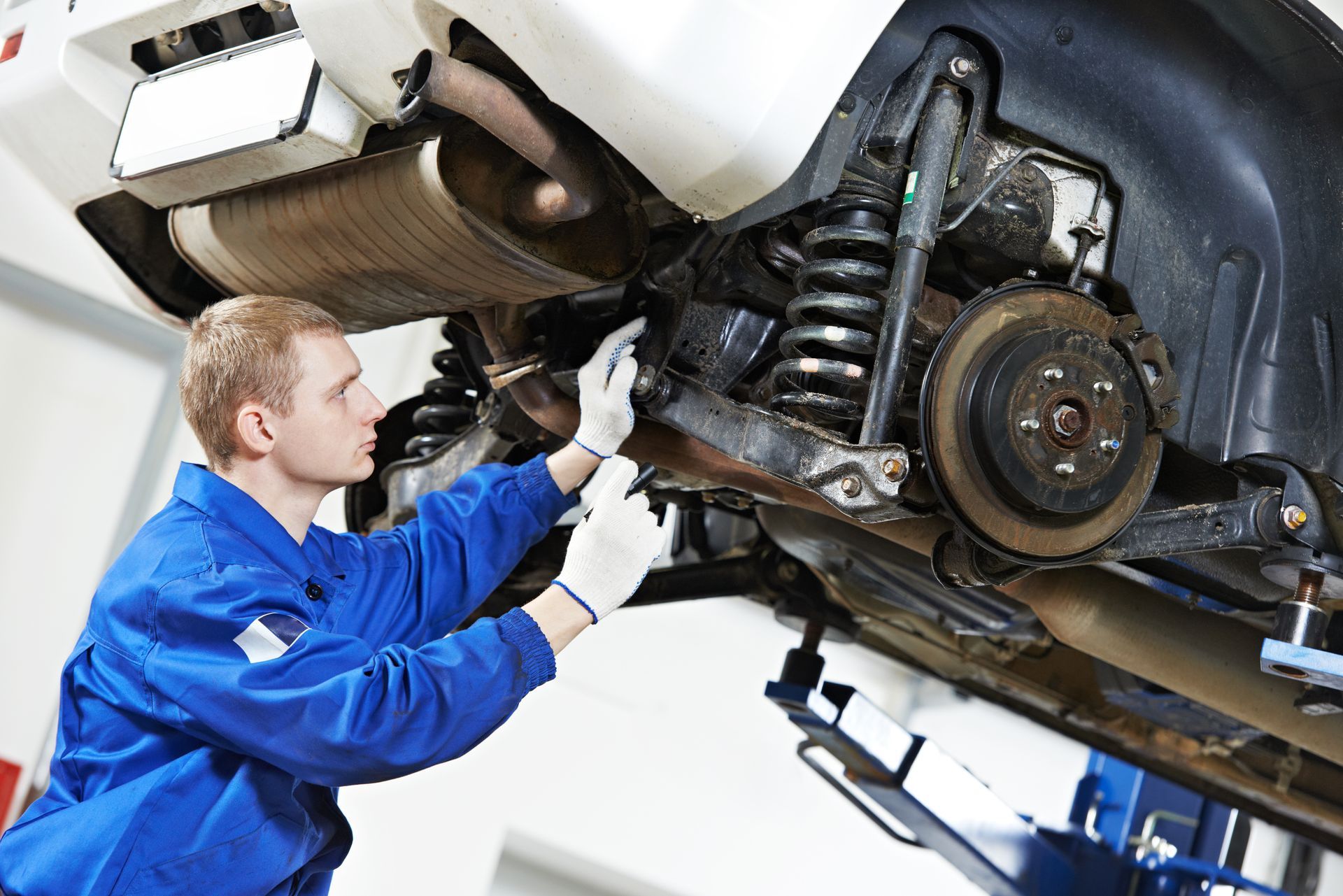
If you can see your brake pads through the wheel, checking their thickness can give you a quick idea of their condition. Thin pads mean less material is available to create friction.
Once they reach a certain point, they no longer provide reliable braking. A quick inspection during regular maintenance can help confirm whether they are still within a safe range.
Why Early Replacement Saves Money
Brake pads are designed to wear out first to protect more expensive components, such as rotors and calipers. Replacing them at the right time keeps the rest of the system in better condition.
Waiting too long usually means more parts need to be replaced. What could have been a simple pad replacement can turn into a larger brake repair.
How Regular Maintenance Helps Prevent Brake Issues
Regular maintenance includes checking brake components for wear and performance. An inspection during routine service helps catch early signs before they become more serious.
Keeping up with brake service helps ensure the system stays balanced and predictable. That is especially important for safe driving in everyday conditions.
When To Schedule A Brake Inspection
If you notice noise, reduced stopping power, vibration, or any change in how your brakes feel, it is time to have them checked. Even if the car still stops, the system may not be working as effectively as it should.
A timely inspection helps confirm the condition of the brake pads and prevents additional wear on other components.
Get Brake Service In Everett, WA, With Evergreen Auto Repair
If your brakes have started making noise or not responding the way they used to, Evergreen Auto Repair in Everett, WA, can inspect your brake pads and recommend the right service before the problem gets worse.
Call today to schedule your brake inspection and keep your vehicle stopping safely and reliably.