This is a subtitle for your new post
A Chevy can put up with a lot before it finally acts seriously. That is part of the problem. A small shake, a weird shift, a faint coolant smell, or one warning light can feel easy to brush off when the vehicle still starts and drives.
Then the symptom changes.
Some Chevrolet repair problems get expensive because they are allowed to keep repeating. The vehicle gives clues first, and those clues are worth catching while the repair is still more focused.
1. A Check Engine Light That Flashes Under Acceleration
A steady check engine light needs service, but a flashing one is different. If it flashes when you accelerate, climb a hill, or merge onto the highway, the engine is likely misfiring under load. That means one or more cylinders are not burning fuel cleanly.
Worn spark plugs, weak ignition coils, injector issues, air leaks, or compression problems can all cause misfires. The expensive part is what happens next. Unburned fuel can enter the exhaust and overheat the catalytic converter.
That converter is not cheap. If your Chevy shakes and the light flashes, back off the throttle and schedule an inspection before a basic ignition problem turns into an exhaust repair, too.
2. Coolant Smell With No Puddle Under The Vehicle
A sweet smell after parking is a cooling system clue. You may not see a puddle because coolant can land on hot engine parts and dry before it reaches the ground. What remains might only be crusty residue around a hose, water pump, radiator seam, thermostat housing, or reservoir.
Coolant loss is not something to keep topping off. Low coolant levels can lead to overheating, which can damage gaskets, seals, and metal surfaces. On some Chevy models, small leaks around plastic fittings or cooling system components can go unnoticed until the temperature gauge starts moving.
We look for dried coolant trails and pressure-test the system because the leak is not always obvious from above.
3. A Harsh Shift Or Delayed Engagement
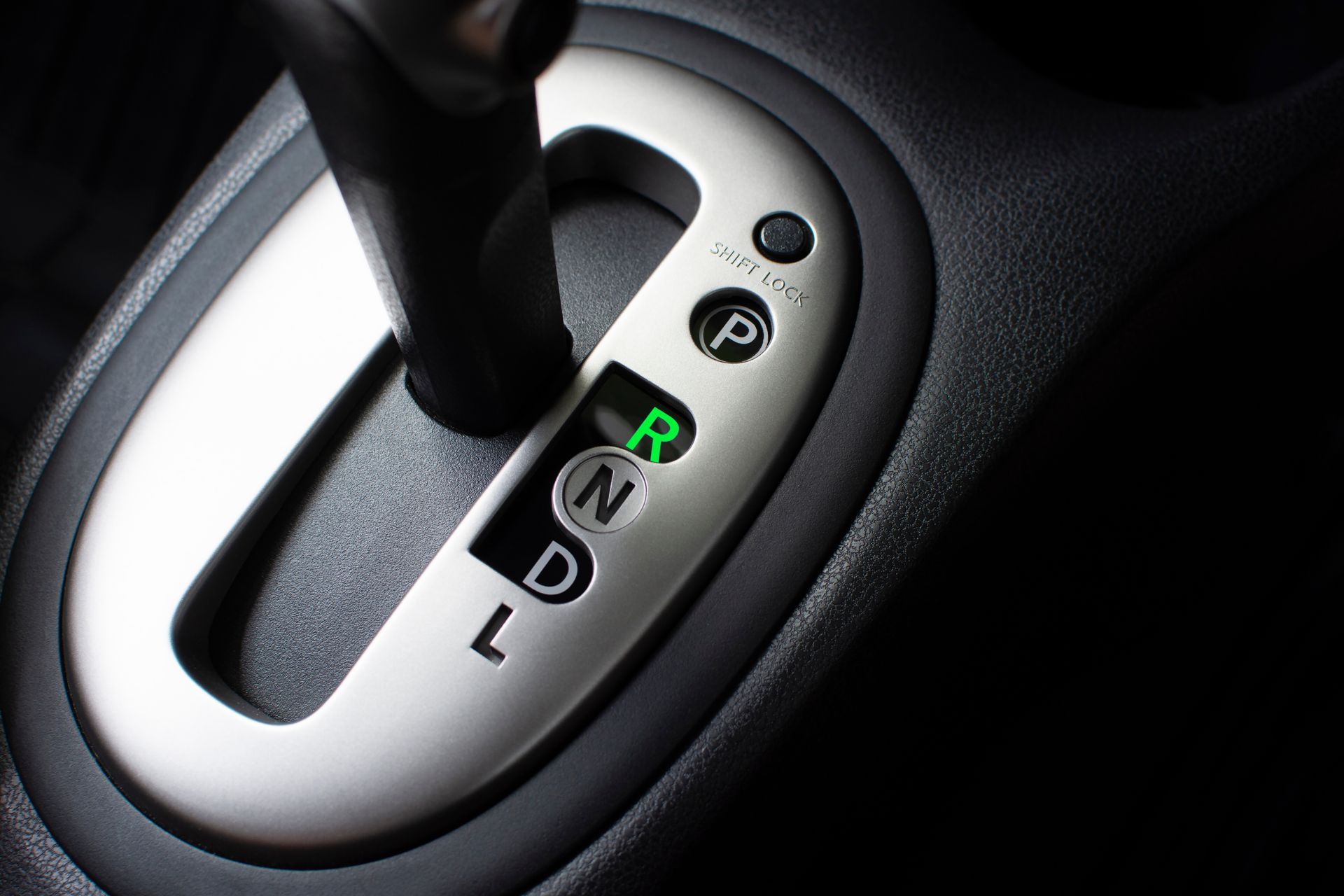
If your Chevy hesitates before going into drive or reverse, or the transmission shifts harder than it used to, pay attention. Transmission symptoms rarely improve from waiting. Sometimes the cause is low fluid, old fluid, a leak, a sensor issue, or a control problem. Other times, internal wear has already started.
A delayed shift in the morning can feel minor. A hard shift between gears can feel like the vehicle is just getting older. Those are still useful clues.
Transmission fluid condition, stored codes, temperature data, and road-test behavior all help separate a serviceable issue from a larger repair. The sooner the pattern is checked, the better the chances of avoiding unnecessary damage.
4. Oil Pressure Warnings Or Ticking At Startup
A brief ticking noise at startup can come from oil taking too long to reach the top of the engine. If it happens once, it may not mean much. If it keeps happening or comes with an oil pressure warning, do not treat it as background noise.
Oil pressure problems can be serious. Low oil level, sludge, worn parts, clogged passages, a weak oil pump, or sensor trouble can all be involved. The dashboard oil light is not an oil change reminder. It is a pressure warning.
Our technicians check oil level, oil condition, leaks, pressure data, and service history before making a guess. Running a Chevy with poor oil pressure can get expensive fast.
5. Steering Clunks Or A Loose Front End
A clunk over bumps, a pop while turning, or steering that feels loose can point toward worn suspension or steering parts. Tie rods, control arm bushings, ball joints, sway bar links, struts, wheel bearings, and mounts all take a beating from daily driving.
This kind of symptom can sneak up. You adjust to the noise, then the tires start wearing unevenly, or the vehicle starts wandering at highway speed. That is where the cost starts spreading.
A worn front-end part can affect alignment and tire wear. If one inside tire edge is disappearing faster than the rest, the suspension is telling on itself.
6. A Fuel Smell, Hard Start, Or Rough Idle
Fuel smell is never something to ignore around a Chevy. It can be caused by an EVAP system issue, a leaking injector, a fuel line issue, a fuel pressure problem, or a rich-running engine. A rough idle or hard start can show up at the same time.
If the engine cranks longer than normal after sitting, fuel pressure may be bleeding off. If it idles roughly after fueling, an EVAP purge valve or a fuel vapor issue could be the cause. If the exhaust smells rich, the engine may be getting too much fuel.
These symptoms can waste fuel, trigger warning lights, and stress emissions parts. Regular maintenance helps catch some basics, but fuel smells need a real check, not a wait-and-see approach.
Get Chevrolet Repair In Everett, WA, With Evergreen Auto Repair
If your Chevy has warning lights, coolant smells, harsh shifting, oil pressure concerns, steering clunks, or fuel-related symptoms, Evergreen Auto Repair in Everett, WA, can inspect the vehicle and explain what is happening.
Schedule a visit before one strange symptom turns into a repair that costs more than it needed to.