A car that surges or lurches when you shift into reverse can make a simple parking move feel uncomfortable. You move the shifter, expect the vehicle to engage calmly, and instead it jumps, clunks, or feels like it wants to move too quickly.
That kind of behavior is not something to brush off as normal age. Reverse puts a different load on the drivetrain than driving forward, so problems with mounts, transmission fluid, idle control, sensors, axles, or internal transmission parts can show up right away. The way the lurch feels can help point the inspection in the right direction.
A Harsh Reverse Engagement Can Point To Transmission Trouble
When you shift into reverse, the transmission has to apply the correct clutch, band, gear set, or hydraulic pressure depending on the vehicle design. If that engagement is too harsh, delayed, or uneven, the car can bump or lurch instead of moving into gear cleanly.
Low transmission fluid, old fluid, valve body problems, solenoid issues, pressure concerns, or internal wear can all affect reverse engagement. Some vehicles will also behave differently when cold than after a drive. That timing is useful information, so tell the shop if the lurch only happens first thing in the morning or after the car is fully warm.
Engine Idle Speed Can Make Reverse Feel Too Aggressive
Sometimes the transmission is not the first problem. If the engine idle is too high, the vehicle can surge when reverse engages because the engine is already spinning faster than it should be. That extra speed gets transferred through the transmission as soon as the gear engages.
A high idle can be caused by a vacuum leak, a dirty throttle body, a sticking throttle plate, an idle control problem, a sensor issue, or an air intake leak. The car may also feel like it wants to creep too fast in drive. If the engine speed seems high before you even move the shifter, the idle control system needs attention.
Worn Mounts Can Create A Hard Clunk
Engine and transmission mounts hold the drivetrain in place while absorbing vibration and movement. When a mount cracks, collapses, or separates, the engine and transmission can rock too far when reverse engages. That movement can feel like a lurch, clunk, or heavy bump through the body of the car.
Mount problems can also show up when shifting from reverse to drive, accelerating from a stop, or letting off the gas. The repair may not be inside the transmission at all. A careful inspection can show whether the drivetrain is moving too much before major transmission parts get blamed.
Dirty Or Low Transmission Fluid
Transmission fluid has to lubricate parts, carry heat, and help control hydraulic pressure. If the fluid is low, dirty, burnt, or the wrong type, shifts can become harsh, delayed, or unpredictable. Reverse can be one of the first gears where a problem feels obvious.
Some vehicles do not have a simple dipstick, so checking the fluid level requires the correct procedure and temperature. Adding fluid without confirming the level can create new problems. If fluid is low, the next question is where it went. A leak at a pan gasket, axle seal, cooler line, or case seal should be found before the level drops again.
Driveline Or Axle Play Can Make Reverse Feel Rough
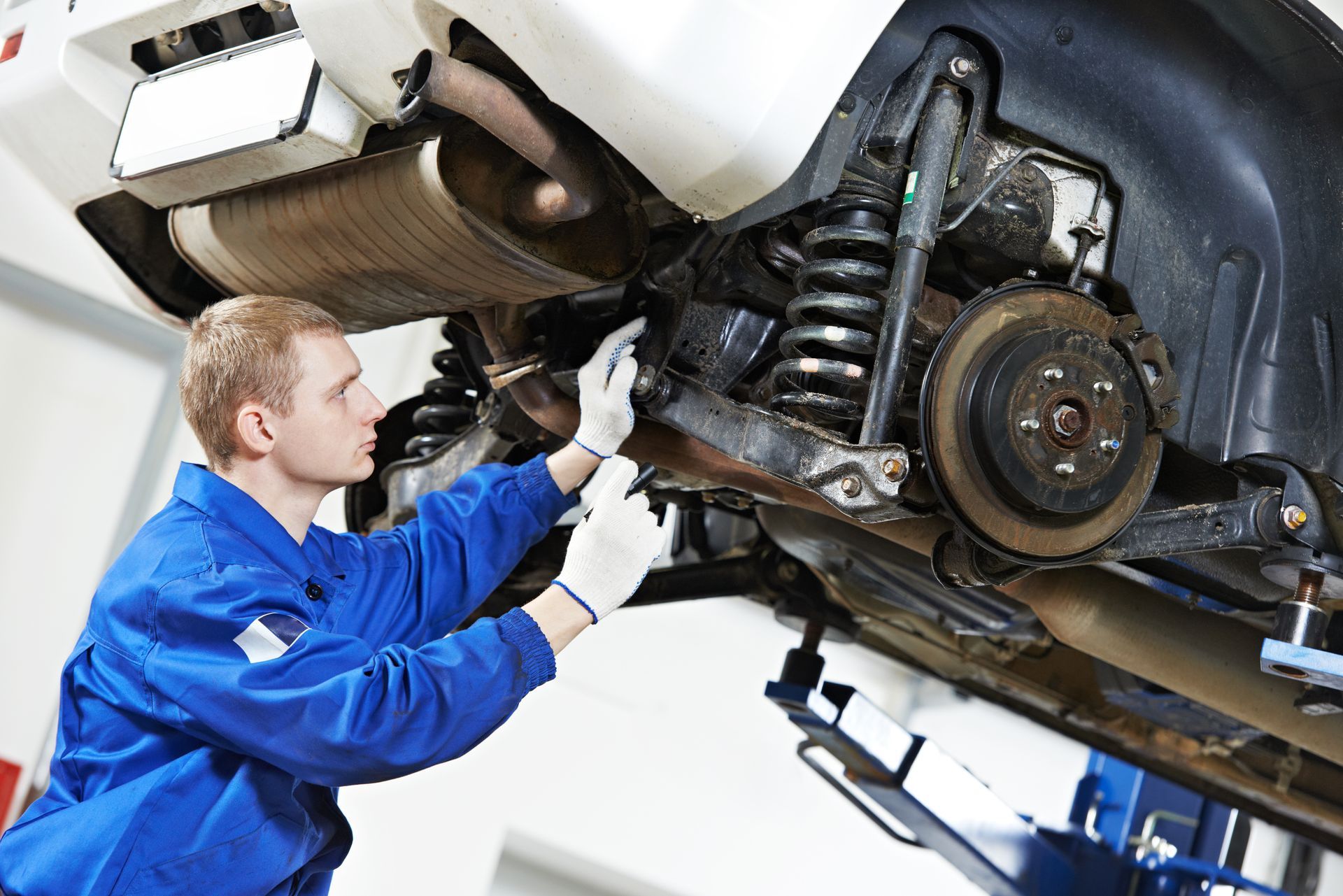
When you shift into reverse, the drivetrain force changes direction. Any looseness in axles, CV joints, driveshaft parts, U-joints, differential mounts, or suspension bushings can become more noticeable during that change. The car may make a clunk before it moves, or it may jerk as slack is taken up.
This is common on vehicles with worn drivetrain parts, higher mileage, or a history of hard shifting. The symptom can feel like a transmission problem from the driver’s seat, but the cause may be outside the transmission. A road test and undercar inspection help separate internal transmission trouble from loose external parts.
Sensors And Computer Controls Can Affect Shift Quality
Modern vehicles use sensors and modules to control shift timing, pressure, idle speed, throttle response, and engine torque. If the computer receives bad data, the shift into reverse can feel rough even if the mechanical parts are not completely worn out.
A throttle position sensor, transmission range sensor, mass airflow sensor, engine misfire, or wiring issue can change how the vehicle behaves when a gear is selected. Warning lights are helpful when they appear, but some problems do not trigger a light right away. Scan data and live readings can reveal clues that a quick visual check will miss.
Do Not Ignore A Delay Before The Lurch
A delay before reverse engages is worth mentioning. If you shift into reverse, wait a second or two, then the car suddenly bumps into gear, that can point toward pressure loss, low fluid, internal wear, or control problems. The delayed hit is different from a normal, gentle engagement.
That delay can get worse over time. It can also create heat and stress inside the transmission. Regular maintenance helps keep fluid condition and leaks on the radar, but once the vehicle starts delaying or lurching into reverse, it needs a more focused check.
Get Transmission Repair In Everett, WA, With Evergreen Auto Repair
If your car surges, lurches, clunks, or delays when shifting into reverse, Evergreen Auto Repair in Everett, WA, can check the transmission, fluid level, mounts, axles, idle control, sensors, and drivetrain parts.
For clear testing before the problem gets worse, contact us to schedule an appointment.