Deep tread doesn't tell the whole story of an older tire. Rubber and internal materials change with age, heat, use, and storage. A tire that spends years on a lightly driven car can still reach its replacement age before the tread looks worn out.
Winter brings that condition into sharper focus. Around Everett, wet roads and colder temperatures put more demand on tire grip. Reviewing age and condition before the season gives you time to choose replacements instead of discovering a problem during the next storm.
How to Find Your Tire's Age
Look for the tire identification number on the sidewall. The final 4 digits of a complete modern DOT date code identify the manufacturing week and year. For example, 2420 means the tire was made during week 24 of 2020.
The full code may be visible only on one side of the tire. If you can't find it from beside the car, we can help during an inspection. Record the date for each tire, including the spare, because the set may contain products made at different times.
Manufacturing age and installation date are different records. Both are useful, but the date code shows when the tire was produced. A recent purchase doesn't reset that age, so review the actual code when assessing an older set.
Tire Replacement Age Recommendations
There isn't one universal age for every tire and vehicle. NHTSA notes that some manufacturers recommend replacing tires at 6 to 10 years regardless of remaining tread. Follow the limits and inspection requirements from your vehicle and tire manufacturers.
Specific tire condition can bring replacement earlier. Cracks, bulges, cuts, exposed cords, or other structural damage need assessment promptly. Calendar age is only part of the decision, and waiting until a tire reaches its stated maximum leaves current damage unaddressed.
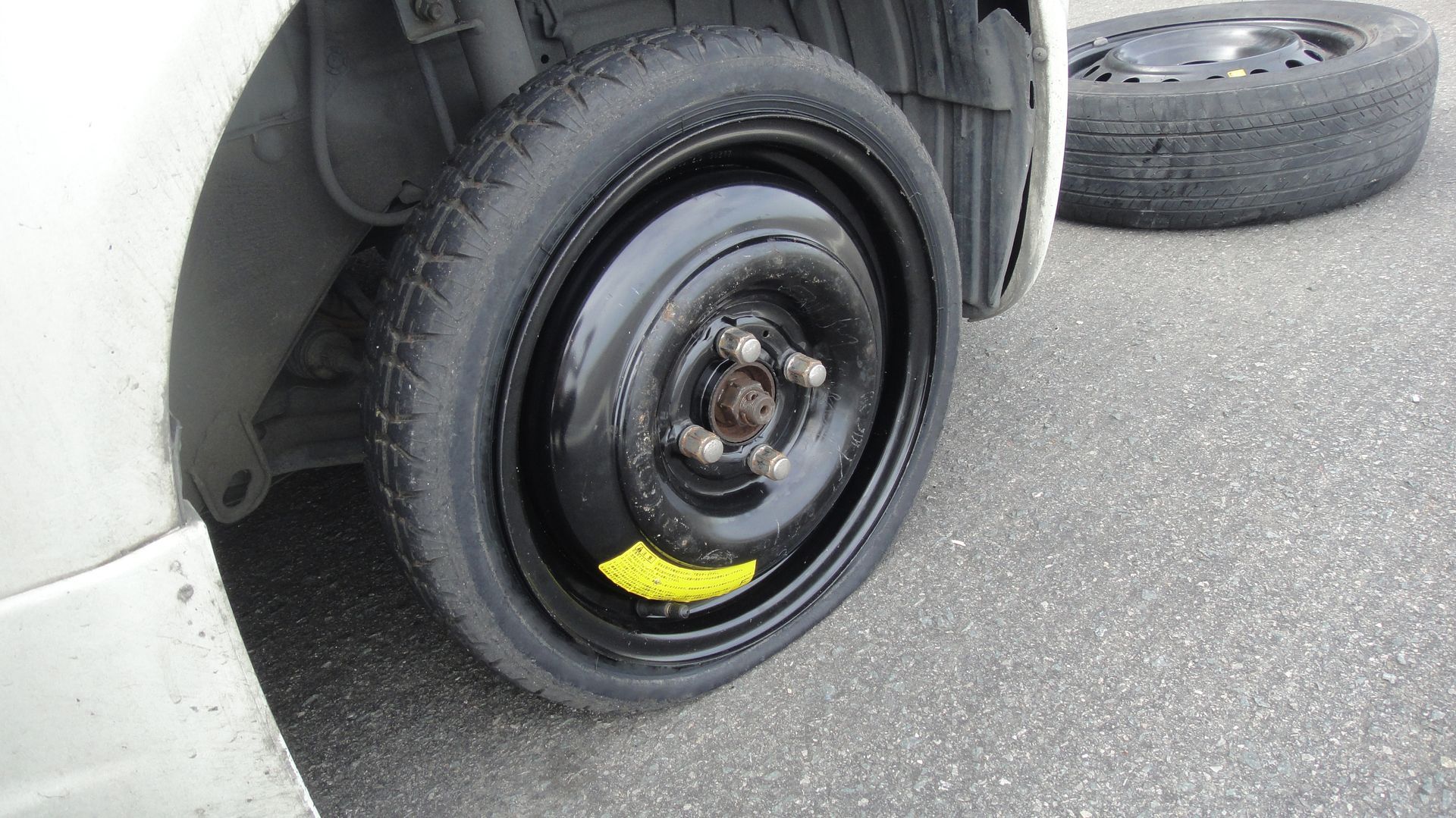
An older spare deserves attention too. It may look unused while its materials have aged for years. Check its pressure and condition before relying on it during a flat, and follow its speed and distance limitations if it is a temporary design.
Why Tire Aging Is Different From Tread Wear
Wear removes tread through contact with the road. Aging changes materials over time. The tire experiences oxygen, heat cycles, loads, and environmental exposure even if annual mileage is low.
Visible sidewall cracking gives a useful warning, but the outside doesn't show every internal change. Inspection combines the date code, physical condition, use history, and manufacturer guidance. Looking only at tread depth misses part of the risk.
Think of a second car driven only on weekends. Its tread might stay deep for years, while the calendar continues to advance. That vehicle needs age checks as much as one wearing through tires during a daily commute.
Tire Tread and Winter Road Grip
Tread channels help move water from the contact area as they become shallower, wet-weather performance changes. Winter preparation should consider useful grip for the coming season, not simply whether the tread has reached its final wear indicators.
We measure tread across each tire to find edge wear and differences within the set. A tire with a healthy-looking center can have an inner shoulder close to worn out. That pattern also raises questions about inflation, alignment, or suspension condition.
Tire type is important as temperatures fall. Summer tires are designed for different conditions from winter tires or suitable all-season products. Choose the set for your vehicle and expected use, and review whether seasonal tires fit your winter driving needs.
Warning Signs That an Older Tire Needs Inspection
Arrange a check if you notice:
- Cracks in the tread grooves or sidewall
- A bulge or changed tire shape
- Repeated pressure loss
- New vibration at road speed
- Uneven or rapidly developing tread wear
- Damage after a curb or pothole impact
- An age beyond the manufacturer's recommendation
A bulge or exposed structural material deserves immediate advice about safe use. Avoid another high-speed trip on a visibly damaged tire. Explain the condition when calling so we can discuss inspection or transport.
Replacing Tires as a Matched Set
The vehicle's requirements guide which tires can be replaced together. Size, construction, load rating, speed rating, and handling characteristics need to fit the application. All-wheel-drive vehicles also have specific matching requirements for rolling size and tread differences.
If only part of the set needs replacement, we review the remaining tread and the manufacturer's instructions. Placing new tires according to the correct guidance supports stable handling. Choosing by price alone without checking the full set can create another problem.
Alignment and balancing deserve their own review during installation. New tires need balanced assemblies, while existing edge wear or steering concerns may call for an alignment check. Correcting the cause of uneven wear protects the replacement tread.
Planning Tire Replacement Before Winter
Inspecting in advance gives you time to compare suitable options and check availability. It also allows associated wheel or suspension concerns to be handled before the vehicle needs to travel in poor weather.
Continue checking cold pressures between visits. Temperature changes affect inflation, and the target comes from your vehicle's instructions. Keep tire records with service invoices so you can easily review age, rotations, and wear measurements.
Tire Inspection and Replacement at Evergreen Auto Repair
Evergreen Auto Repair in Everett, WA, can review tire age, tread, damage, and replacement options before winter. Bring up any pressure loss, vibration, or handling changes so we can include those concerns in the inspection.
Schedule a tire check with
Evergreen Auto Repair before older or worn tires make winter driving more difficult.